Introduction to Modern Hair Restoration Technologies
Overview of Current Hair Restoration Landscape
Hair restoration has rapidly evolved to encompass a variety of advanced, minimally invasive techniques aimed at achieving natural results with reduced recovery times. Modern options range from surgical methods such as Follicular Unit Extraction (FUE), including robotic-assisted systems like the ARTAS iX, to non-surgical alternatives like Low-Level Laser Therapy (LLLT) and Platelet-Rich Plasma (PRP) therapy. These techniques provide tailored solutions addressing different stages of hair loss.
Importance of Minimally Invasive and Personalized Treatments
Recent advancements prioritize patient comfort, precision, and natural aesthetics. Innovations such as micro-FUE and No-Shave FUE reduce visible scarring and donor site trauma. Additionally, artificial intelligence assists in customizing graft placement and density to individual scalp characteristics. Personalized treatment plans often combine multiple modalities to optimize outcomes, reflecting a patient-centric approach in hair restoration care.
Role of PRP and Other Emerging Therapies
PRP therapy has gained popularity as a regenerative, low-risk treatment utilizing the patient's own blood to stimulate hair follicle activity and promote regrowth. Supported by numerous clinical studies, PRP is commonly integrated with laser therapy and surgical procedures for enhanced effectiveness. Emerging therapies, including stem cell applications and novel agents like AMP-303, show promising potential to further expand treatment options in the near future.
Revolutionizing Hair Transplants: Advanced FUE and Robotic Systems
What is the latest technology in hair restoration?
The latest advancements in hair restoration blend minimally invasive surgical techniques with cutting-edge technology. FUE Hair Transplant Technique remains a leading method due to its precision and natural results. It involves harvesting individual hair follicles from donor areas with minimal scarring and faster recovery.
Robotic-assisted systems, such as the ARTAS iX Robotic System in Hair Transplants, have transformed FUE by adding robotic precision and reducing human error. These systems enhance accuracy during follicle extraction and graft placement, improving success rates and patient comfort. Laser Hair Restoration Benefits and PRP Therapy for Hair Growth complement surgical approaches by stimulating follicle activity and supporting hair growth.
What is the best hair transplant technology in 2025?
Sapphire FUE stands out as the premier hair transplant method in 2025. This technique uses ultra-sharp sapphire blades instead of traditional steel, allowing surgeons to create finer, cleaner incisions that reduce scalp trauma. The benefits include faster healing, denser hairlines, and minimally invasive procedures with little downtime.
Micro-FUE technology, employing smaller punches than standard tools, further decreases recovery time and scarring. No-Shave FUE technique offers discreet options by preserving surrounding hair, suitable for those desiring less visible post-operative changes.
What is Microscopically Dissected Elliptical Excision (MDEE)?
MDEE is an innovative technique combining traditional strip harvesting with microscopic precision. Surgeons excise an elliptical strip of scalp tissue and then use microscopes to meticulously dissect follicular units. This process maximizes graft yield and reduces follicle damage compared to manual dissection.
MDEE enhances graft survival and creates natural-looking results by preserving follicle integrity. It's particularly effective for patients requiring larger graft numbers while benefiting from microscopic accuracy to optimize aesthetics and minimize donor area impact.
Benefits of Advanced FUE and Robotic Systems
- Precision and Consistency: Robotic systems in hair transplantation improve graft extraction accuracy and placement.
- Minimally Invasive: Smaller incisions and refined blades reduce scarring and discomfort.
- Natural Results: Micro and sapphire techniques mimic natural hair direction and density.
- Quicker Recovery: Reduced tissue trauma shortens healing periods.
- Enhanced Patient Comfort: Less invasive procedures mean less pain and downtime.
These innovations mark a significant evolution in hair transplantation, offering personalized, effective care that prioritizes patient outcomes and natural aesthetics.
Platelet-Rich Plasma (PRP) Therapy: Current Status and Optimized Protocols
What is the mechanism behind PRP and how does it stimulate hair growth?
Platelet-Rich Plasma therapy works by concentrating the patient's own platelets, which are rich in growth factors such as vascular endothelial growth factor, platelet-derived growth factor, and epidermal growth factor. These growth factors promote hair follicle regeneration by stimulating cell proliferation, prolonging the anagen (growth) phase of hair, increasing blood vessel formation around follicles, and activating follicular stem cells. Although the precise biological pathways remain under investigation, PRP effectively enhances scalp circulation and tissue healing, encouraging dormant hair follicles to resume active growth.
How is PRP prepared and administered, and what can patients expect during treatment?
PRP preparation involves drawing a small amount of the patient's blood, which is then centrifuged to separate plasma and concentrate platelets. The resulting PRP is injected into targeted scalp areas, typically at a dose of 0.1 ml per cm². Treatments are often conducted in a series of three sessions spaced one month apart, with maintenance sessions every 3 to 6 months. Patients may experience mild soreness, bruising, or scalp tenderness immediately after injections, which usually resolve within days. Temporary shedding of hair commonly occurs around six weeks post-treatment as new hair growth initiates.
What evidence supports the efficacy of PRP therapy for hair restoration and how satisfied are patients?
Numerous clinical studies, including randomized controlled trials, have demonstrated that PRP therapy for hair loss can increase hair density by approximately 10% to 40%, with an average patient satisfaction rate around 76%. A 24-trial meta-analysis involving over 1,800 patients reported a mean hair density increase of 31% after six months. Histological evaluations reveal increased hair follicle numbers and improved epidermal thickness post-treatment. PRP is most effective for early-stage androgenetic alopecia and is often combined with other therapies like low-level laser therapy to enhance results.
What are typical treatment schedules and how long do PRP results last?
Standard treatment protocols involve three initial monthly injections followed by maintenance sessions every 6 to 12 months to sustain hair growth. Results are typically observable within two months, continuing to improve over subsequent months. The therapeutic effects of PRP commonly last between 12 and 18 months. To optimize long-term outcomes, PRP is frequently integrated with other hair restoration modalities, including topical agents and laser therapy.
What are the common side effects and safety considerations associated with PRP therapy?
As an autologous treatment, PRP carries a favorable safety profile. Common side effects are minor and include injection site pain, mild swelling, bruising, and transient scalp sensitivity. Serious adverse events such as infection or nerve injury are rare but can occur if strict sterile techniques are compromised. Detailed review of adverse events in platelet-rich plasma therapy highlights the importance of sterile care. Post-treatment care involves avoiding hair washing for 24 hours and limiting strenuous activities to minimize complication risks.
Do dermatologists perform PRP treatments and what is their role in PRP therapy?
Yes, dermatologists commonly perform PRP treatments, particularly those trained in cosmetic and regenerative procedures. Their expertise ensures accurate patient assessment, determination of treatment suitability, and customization of therapy protocols. Dermatologists monitor patient progress, manage expectations, and integrate PRP with other medical or surgical hair restoration options to maximize efficacy. They also provide essential patient education on procedure details and aftercare, supporting safe and effective outcomes.
| Aspect | Description | Details |
|---|---|---|
| Mechanism | Growth factor stimulation from concentrated platelets | Promotes hair follicle activation & angiogenesis |
| Preparation | Blood draw, centrifugation, PRP isolation | Approximately 0.1 ml/cm² injected into scalp areas |
| Treatment schedule | 3 sessions monthly, maintenance every 3-6 months | Visible results in 2 months, lasting up to 18 months |
| Efficacy | 30-40% increase in hair density, 76% patient satisfaction | Supported by RCTs and meta-analyses |
| Safety | Minimal side effects: soreness, bruising | Serious complications rare with sterile technique |
| Dermatologist role | Patient assessment, procedure administration, follow-up | Ensures personalized, safe, and optimized treatment |
Innovations Beyond PRP: Emerging Therapies and Regenerative Techniques
What is more advanced than PRP for hair rejuvenation?
Exosome therapy is emerging as a more advanced regenerative treatment compared to Platelet-rich plasma therapy. It delivers concentrated extracellular vesicles rich in growth factors, proteins, and signaling molecules. These components directly stimulate cellular activity within hair follicles, promoting stronger regeneration and improved blood circulation. Patients often need fewer treatments with faster, more lasting results, positioning exosome therapy as a cutting-edge option for enhanced hair rejuvenation.
What is the hair regrowth breakthrough in 2025?
The breakthrough therapy in 2025 is PP405, a novel treatment showing significant promise for androgenetic alopecia. Unlike traditional therapies that mainly slow hair loss, PP405 targets key pathways to regenerate hair follicles and increase hair density effectively. Clinical trials reveal marked hair regrowth and healthier scalp conditions, offering renewed hope for patients seeking curative options. For more information, see the AMP-303 hair loss treatment research.
How are stem cell treatments advancing regenerative medicine?
Stem cell therapies are in the early stages but hold great potential to regenerate hair follicles from harvested cells. Research suggests future treatments may activate a patient’s own cells to grow new follicles, potentially eliminating the need for donor hair extraction. This ongoing development could revolutionize hair restoration with minimally invasive, natural outcomes. Learn more about Stem cell therapy for hair growth.
What is hair cloning and its future potential?
Hair cloning aims to grow new hair follicles outside the body for transplantation. While still in experimental phases, it promises unlimited hair graft sources without donor area restrictions. This technology could dramatically change hair restoration by providing personalized follicle generation, increasing density, and overcoming traditional transplant limitations. For additional insights, read about Hair cloning research and Hair cloning research.
How do non-surgical therapies complement these innovations?
Low-Level Laser Therapy (LLLT) stimulates hair follicles non-invasively by enhancing cellular activity and blood flow. Micro-FUE techniques, employing ultra-fine punches, reduce scarring and recovery time for minimally invasive follicle extraction. Combined with advanced treatments like PRP therapy for hair restoration, exosomes, and emerging drugs, these non-surgical approaches optimize hair growth outcomes and patient comfort.
These innovative therapies represent the future of personalized hair restoration approaches, focusing on deeper biological stimulation and less invasive methods to achieve natural, lasting results.
Synergistic Approaches: Combining PRP with Laser Therapy and Other Modalities
What is Low-Level Laser Therapy (LLLT) and How Does It Work?
Low-Level Laser Therapy (LLLT) is an innovative, non-invasive treatment that uses specific wavelengths of light to stimulate hair follicles. This process increases blood flow and cellular metabolism within the scalp, fostering an environment conducive to hair regrowth. LLLT promotes the activation of dormant follicles and helps extend the hair growth phase, leading to thicker, healthier hair.
Why Combine PRP with LLLT and FUE?
Combining Platelet-Rich Plasma (PRP) therapy, LLLT, and Follicular Unit Extraction (FUE) represents a synergistic approach to hair restoration. PRP delivers concentrated growth factors from the patient’s own blood to rejuvenate hair follicles. When paired with LLLT, the increased cellular activity supports enhanced follicle stimulation and improved vascularization. Meanwhile, FUE provides a minimally invasive method to transplant individual hair follicles, offering natural results with minimal scarring. Together, these treatments optimize outcomes by addressing hair loss through multiple biological and mechanical pathways.
What Are the Benefits of Non-Invasive, Painless Treatment Options?
Non-invasive therapies like PRP and LLLT are generally painless, require minimal downtime, and are well tolerated by patients. They offer a natural, low-risk alternative or complement to surgical interventions. Patients often appreciate these methods for their minimal discomfort and quick recovery, making hair restoration accessible for those who prefer less invasive options or are in early hair loss stages.
Why Are Personalized, Multi-Modal Treatment Plans Important?
Hair loss varies widely among individuals, due to factors such as age, genetics, and scalp health. Personalized treatment plans that combine PRP, LLLT, and surgical methods like FUE ensure that therapy is tailored to the patient’s specific needs. This multimodal approach maximizes efficacy, addresses different stages of hair loss, and improves long-term results. Incorporation of emerging technologies such as robotic assistance can further refine graft placement and density.
What Should Patients Expect, and When Will They See Results?
Patients typically undergo a series of PRP treatments alongside LLLT sessions, often spaced over several months. Initial hair regrowth results may be visible within two to three months, with sustained improvement continuing up to 12-18 months. Combination therapies generally enhance the rate and quality of hair restoration compared to single-modality treatments. Setting realistic expectations about gradual progress and maintenance is essential for patient satisfaction and long-term success.
Looking Ahead: Personalized Care and Technology's Role in Hair Restoration
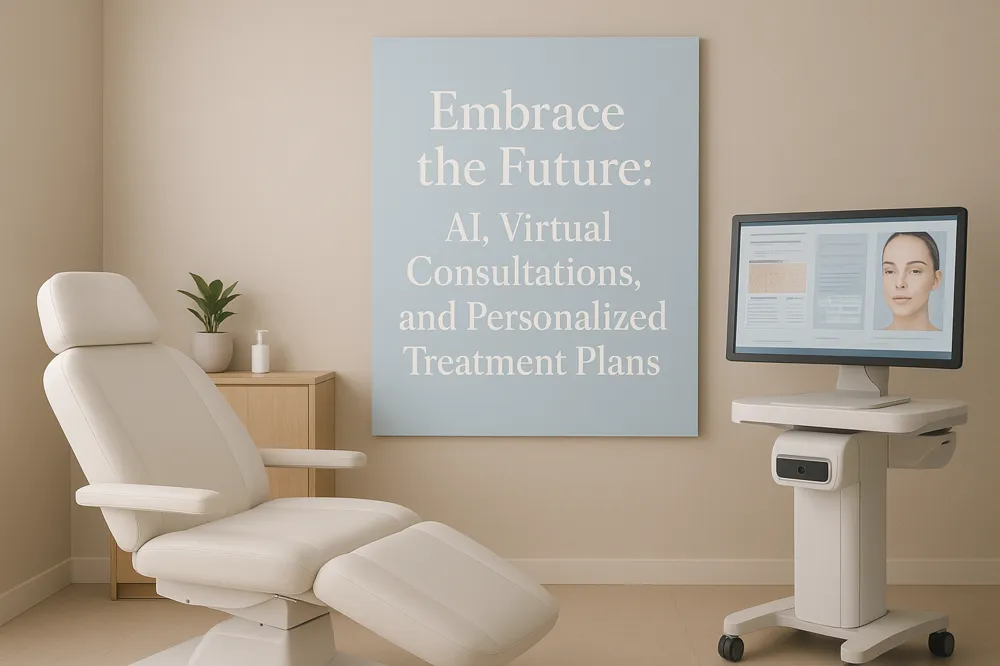
How is AI-assisted planning enhancing hair transplantation?
Advanced AI technologies are revolutionizing hair transplantation by providing surgeons with detailed simulations of graft placement, hair density, and growth direction. This precision helps in achieving natural-looking results while minimizing the number of grafts required. Such AI planning systems improve procedural accuracy and customization tailored to individual needs. Learn more about hair restoration with AI and robotics.
How are virtual consultations expanding patient access?
Virtual consultations have become vital in increasing accessibility for patients seeking expert advice on hair restoration. They offer remote assessment and personalized treatment planning, especially beneficial for those in underserved or distant locations. This telemedicine expansion ensures patients can engage with specialists without travel burdens. For insights into personalized hair restoration approaches and virtual hair restoration consultations, see additional resources.
How are treatments tailored based on hair type and patient needs?
Personalized care is central to modern hair restoration, with treatment plans adapted to hair type, scalp health, and pattern of hair loss. For example, ethnic hair transplantation addresses unique challenges of thick, curly hair. Combining modalities like Follicular Unit Extraction (FUE), Platelet-Rich Plasma (PRP), and laser therapy allows clinicians to customize approaches, enhancing outcomes.
What emerging technologies are influencing scalp health and treatment?
Innovative scalp health products such as Keravive and Revive are gaining attention for their ability to improve scalp condition and support hair growth. These products often complement existing therapies by enhancing follicle health and stimulating growth. They represent a growing trend toward integrating advanced biotechnologies within hair restoration regimens. For current trends, see Keravive scalp health technology and Skincare Innovations.
Why is patient education and managing expectations important?
Educating patients about realistic results and treatment timelines is crucial. Most non-surgical therapies, including PRP and laser treatments, produce gradual improvements over months, with maintenance treatments required. Clear communication helps align patient expectations with achievable outcomes, ensuring satisfaction and adherence to care plans. Learn more about Maximizing PRP Treatment for Hair Loss and Managing expectations in hair restoration.
Overall, the future of hair restoration lies in merging cutting-edge technology with personalized care strategies. AI-assisted design, virtual consultations, and innovative scalp treatments collectively enhance treatment precision and accessibility, making effective hair restoration more attainable than ever before. For comprehensive insights, refer to 2025 Hair Restoration Trends and Future of Hair Restoration Technologies.
Conclusion: Integrating PRP with Next-Generation Hair Restoration Solutions
PRP's Proven Benefits in Hair Restoration
Platelet-Rich Plasma (PRP) therapy has established itself as a safe and effective option for treating early to moderate hair loss. By using concentrated growth factors derived from the patient's own blood, PRP stimulates dormant follicles, improves scalp circulation, and promotes natural hair regrowth. Clinical studies demonstrate consistent hair density improvements typically ranging from 10% to 40%, with minimal side effects and high patient satisfaction.
Emerging Therapies Enhancing Treatment Options
Advancements in regenerative medicine are expanding the hair restoration landscape beyond PRP. Promising interventions such as exosome therapy and novel agents like AMP-303 show potential to revitalize hair growth through advanced cellular signaling and follicular activation. These treatments, still under clinical evaluation, aim to complement existing modalities, offering renewed hope for patients with various stages of hair loss.
Emphasizing Patient-Centered, Multimodal Care
Optimal hair restoration outcomes increasingly rely on personalized treatment combinations tailored to individual needs. Integrating PRP with technologies such as Low-Level Laser Therapy, robotic Follicular Unit Extraction (FUE), and topical pharmaceuticals enables a comprehensive approach, addressing hair loss from multiple angles. Regular consultation and follow-up allow dynamic adjustment of therapies to maximize efficacy and patient satisfaction.
Future Outlook
Ongoing technological evolution, including AI-assisted planning, micro-FUE refinement, and potential hair cloning, promises to make hair restoration more precise and accessible. The continued integration of biologics like PRP with innovative therapies will likely improve long-term results and expand non-surgical options. Patients can expect more effective, minimally invasive, and personalized solutions in the near future, heralding a new era in hair restoration care.