Why Focus on Skin Barrier Repair?
A healthy skin barrier is the first line of defense against pollutants, UV radiation, and irritants, and it prevents transepidermal water loss (TEWL), keeping skin hydrated and resilient. Niacinamide has become a cornerstone of modern dermatology because it reliably boosts ceramide, cholesterol, and fatty‑acid synthesis, reinforcing the lipid “brick‑and‑mortar” structure of the stratum corneum. Clinical trials show that 2‑5 % niacinamide applied twice daily reduces TEWL by up to 30 % within weeks and eases redness, fine lines, and hyperpigmentation. Patients who incorporate niacinamide into daily routines report smoother texture, smaller pores, and fewer breakouts, confirming its reputation as a safe, non‑irritating, all‑skin‑type barrier‑repair agent.
Niacinamide’s Mechanistic Role in Barrier Repair
 Niacinamide (vitamin B3) is a cornerstone of modern barrier‑repair regimens. It drives ceramide synthesis by up‑regulating serine‑palmitoyl‑transferase and sphingomyelinase, replenishing the lipid “mortar” that fills gaps between corneocytes. This lipid matrix restoration also involves increased cholesterol and free‑fatty‑acid production, which together lower transepidermal water loss (TEWL) and lock in moisture.
Inflammation reduction is another key pillar: niacinamide suppresses NF‑κB signaling and pro‑inflammatory cytokines (IL‑6, IL‑8, TNF‑α), calming redness and preventing further barrier disruption. Its antioxidant actions—down‑regulating NADPH oxidase and boosting superoxide‑dismutase—protect lipids and proteins from oxidative damage.
Through its role as a NAD⁺ precursor, niacinamide fuels cellular energy and DNA‑repair pathways (PARP‑1 activation), enhancing keratinocyte resilience and supporting the formation of structural proteins such as filaggrin and involucrin.
Does niacinamide repair skin barrier? Yes. Clinical trials with 2‑5 % daily use show 20‑30 % TEWL reduction within 4‑6 weeks, restoring hydration and resilience.
How does it strengthen the barrier? By boosting ceramide, cholesterol, and fatty‑acid synthesis, reinforcing the lipid “brick‑and‑mortar” architecture, and shielding against oxidative stress.
Niacinamide for damaged skin barrier: Apply a serum or moisturizer after cleansing, follow with a ceramide‑rich cream, and finish with broad‑spectrum SPF; consistent use softens tightness, redness, and flakiness.
How long does it take? Initial hydration improves in 1‑2 weeks; robust barrier repair is evident after 4‑6 weeks of daily application.
Choosing the Right Niacinamide Serum
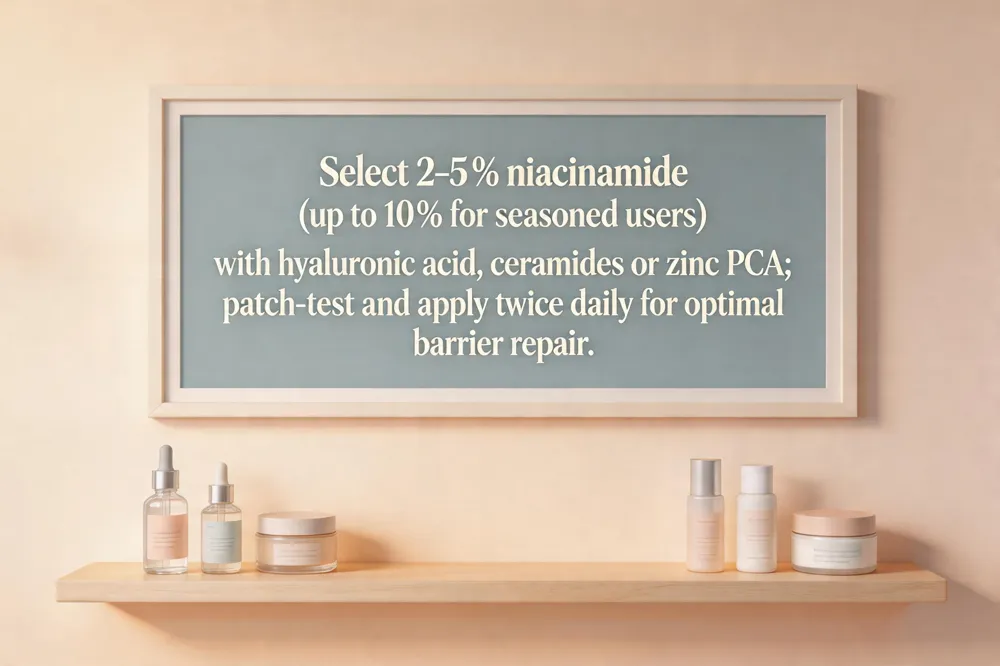 A niacinamide skin‑barrier repair serum is a concentrated facial treatment that uses vitamin B3 to reinforce the epidermal barrier, calm redness, improve texture, and fade hyperpigmentation and fine lines. For optimal barrier repair, choose a formula with 2‑5 % niacinamide (up to 10 % for experienced users) paired with supportive ingredients such as hyaluronic acid, ceramides, or zinc PCA, which boost hydration and lipid synthesis. Clinical studies show that 4‑5 % niacinamide applied twice daily reduces transepidermal water loss by up to 30 % within four weeks and lightens dark spots after 8‑12 weeks. Top‑rated options include The Ordinary Niacinamide 10 % + Zinc 1 % (budget‑friendly, sebum‑regulating), Sunday Riley B3 Nice (10 % niacinamide with antioxidant blend), and Rodan + Fields REVERSE Brightening Defense Lotion (niacinamide plus ceramides for overnight repair). Most users tolerate niacinamide well; occasional mild stinging or redness may occur at higher concentrations. To minimize irritation, start with a lower‑strength product, patch‑test, and apply after cleansing before moisturizer, morning and night, and finish with broad‑spectrum SPF.
Broad Skin Benefits of Niacinamide
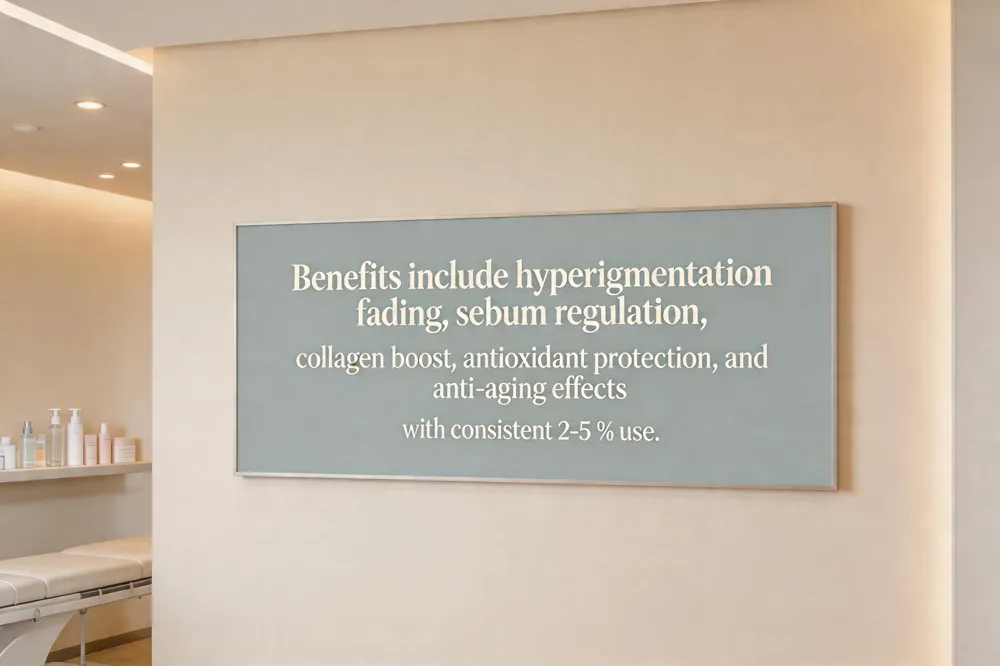 Niacinamide (vitamin B3) is a water‑soluble multitasker that addresses several core skin concerns.
Hyperpigmentation – By inhibiting melanosome transfer from melanocytes to keratinocytes, niacinamide reduces the appearance of dark spots and evens overall tone. Clinical trials show 2‑5 % daily use lightens hyperpigmentation within 8‑12 weeks, though the effect is reversible; continued application and sunscreen are needed to maintain results.
Sebum Regulation – The ingredient modulates sebaceous gland activity, lowering excess oil and refining pore size. Studies report a measurable drop in sebum excretion after 4‑8 weeks of 2‑5 % niacinamide, making it especially beneficial for oily or acne‑prone skin.
Collagen Synthesis & Anti‑Aging – Niacinamide boosts fibroblast production of collagen I, IV, elastin, and fibrillin while suppressing matrix metalloproteinases. Combined with its antioxidant up – raising NAD⁺/NADPH levels and quenching ROS – it improves elasticity and diminishes fine lines over 8‑12 weeks of consistent use.
Answers to Common Questions
- Does niacinamide lighten skin permanently? No; it offers temporary, reversible brightening by controlling melanin transfer and supporting barrier health. Ongoing use and sun protection are required to preserve the effect.
- Is niacinamide good for oily skin? Absolutely. It balances sebum, reduces shine, calms inflammation, and strengthens the barrier without stripping moisture.
- Niacinamide uses for skin – Barrier repair, sebum control, redness reduction, hyperpigmentation fading, and wrinkle mitigation.
- Niacinamide serum – Typically 2‑5 % (higher in professional formulas), applied twice daily after cleansing, followed by moisturizer.
- How does niacinamide improve skin health for wrinkles? By enhancing collagen synthesis, supporting lipid barrier integrity, and providing anti‑inflammatory antioxidant protection, it smooths fine lines and restores firmness.
Overall, niacinamide’s broad spectrum of benefits makes it a cornerstone ingredient for personalized, barrier‑focused skincare regimens.
Addressing Redness and Post‑Inflammatory Marks
 Post‑inflammatory erythema (PIE) and post‑inflammatory hyperpigmentation (PIH) are common sequelae of acne, trauma, or laser injury. PIE appears as lingering pink‑red or purplish discoloration caused by damaged superficial vessels, whereas PIH is a darker spot resulting from melanin transfer to surrounding keratinocytes. Because PIE is a vascular issue, brightening creams alone are insufficient; protecting the skin with broad‑spectrum SPF and avoiding irritants are the first steps. Topical agents that calm inflammation and support barrier repair—niacinamide (2‑5 % concentrations), azelaic acid, centella asiatica, and green‑tea polyphenols—reduce cytokine release, lessen capillary dilation, and promote gradual fading of redness. For PIH, ingredients that inhibit melanin synthesis such as vitamin C, tranexamic acid, alpha‑arbutin, and niacinamide are essential, while gentle retinoids accelerate cell turnover. When home care does not resolve PIE after several months, professional options like intense pulsed light, pulsed dye laser, or microneedling with growth‑factor serums can remodel the vasculature and speed recovery. A personalized regimen combining these actives with ceramide‑rich moisturizers and daily sunscreen yields the most consistent results. Consistent use also helps maintain long‑term skin health and resilience, making it a cornerstone of any anti‑aging protocol.
Acidic Exfoliation and Niacinamide Compatibility
 AHA (α‑hydroxy acid) and BHA (β‑hydroxy acid) serve distinct exfoliation roles. AHAs, water‑soluble, work on the skin’s surface to dissolve dead‑cell bonds, smoothing texture, brightening dullness, and stimulating collagen for fine‑line reduction. BHAs, typically salicylic acid, are oil‑soluble and penetrate pores, breaking up excess sebum and debris—ideal for oily, acne‑prone skin and clogged pores.
When paired with niacinamide, both acids can enhance results without compromising barrier health. Niacinamide’s anti‑inflammatory and barrier‑strengthening actions mitigate the irritation potential of AHAs/BHAs, while its antioxidant properties protect against oxidative stress generated during exfoliation.
Because AHAs increase photosensitivity, diligent sun protection is essential; a broad‑spectrum SPF 30+ sunscreen should be applied each morning and re‑applied throughout the day. For personalized guidance and safe integration into your skincare regimen, consult a dermatologist at On The Spot Dermatology.
Systemic Niacinamide: Oral Supplementation
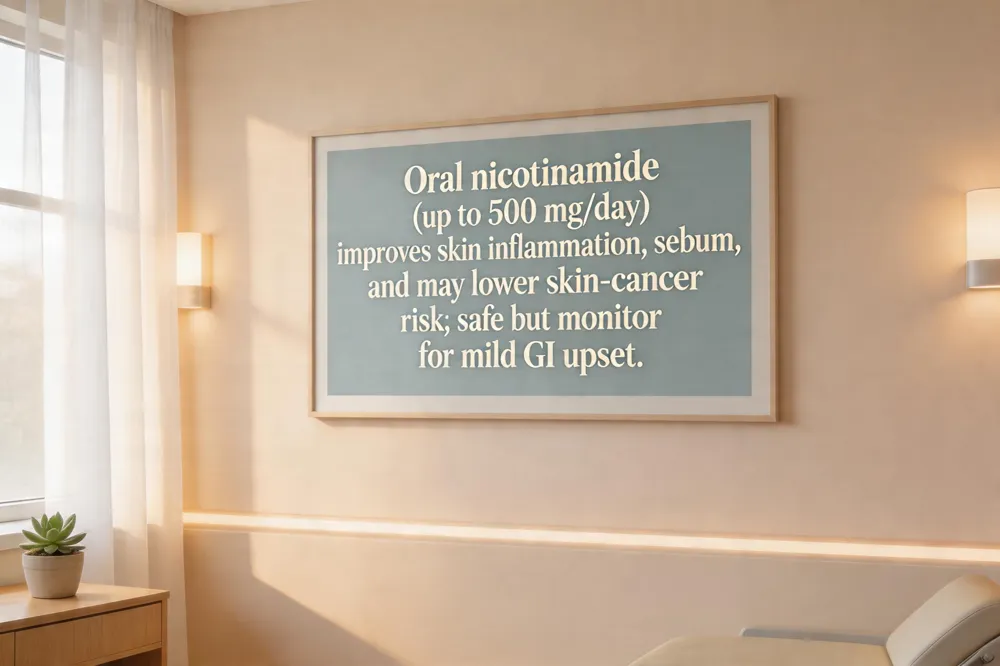 Oral niacinamide (nicotinamide) replenishes vitamin B3 stores, preventing pellagra‑related dermatitis, diarrhea and dementia. Clinical data show it reduces skin inflammation, sebum production and acne lesions, while modestly improving fine lines, hyperpigmentation and overall texture. Systemic supplementation also appears to lower the incidence of non‑melanoma skin cancers in high‑risk groups and may aid osteoarthritis pain relief and modest BMI reduction. Regarding homocysteine, nicotinamide metabolism consumes betaine and can modestly raise plasma homocysteine concentrations, though the effect is generally small and not clinically significant for most users. Safety is well‑established: doses up to 500 mg day⁻¹ are tolerated with minimal irritation; excess intake may cause stomach upset, dizziness or a transient rash. Regular use under clinician guidance is recommended for skin health and broader systemic benefits, and can support overall metabolic balance. These advantages make oral niacinamide a valuable adjunct in personalized dermatologic care.
Safety, Side Effects, and Patient Guidance
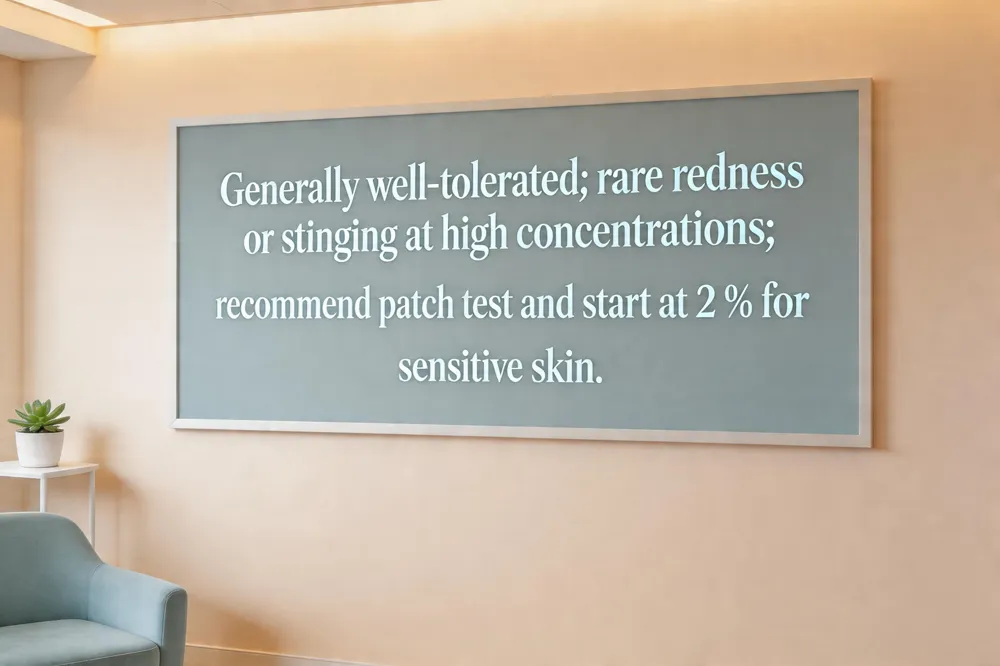 Niacinamide is one of the most well‑tolerated actives in modern cosmetics, yet patients should still be aware of potential reactions.
Common side effects – When used at typical concentrations of 2‑5 % the ingredient rarely causes irritation. In a minority of users, especially those applying high‑strength (≥10 %) formulas or layering with other potent actives, transient redness, mild itching, stinging, or a burning sensation can occur. Rarely, facial flushing or allergic dermatitis appears around the cheeks, nose, and eye area.
Patch testing – To minimize surprise reactions, a simple patch test is recommended for anyone with a history of sensitive skin. Apply a small amount of the niacinamide product to the inner forearm, leave it for 24 hours and observe for any erythema, swelling, or itching before full‑face use.
Sensitive skin considerations – For very reactive skin, start with a 2 % concentration or a formulation that pairs niacinamide with soothing agents such as hyaluric acid and ceramides or oat extract. Avoid simultaneous use of high‑strength exfoliants, and consider applying niacinamide in the morning while reserving retinol for the evening.
Patient FAQs
- Side effects of niacinamide on face: Generally well‑tolerated, but high concentrations or over‑use can cause redness, itching, stinging, or occasional flushing. Discontinue use and switch to a lower strength if irritation persists.
- Is niacinamide good for dry skin?: Yes. By boosting ceramide, cholesterol, and fatty‑acid synthesis, niacinamide reinforces the lipid barrier, reduces transepidermal water loss, and works synergistically with humectants to keep dry skin hydrated and supple.
Practical Routine for Glenview Patients
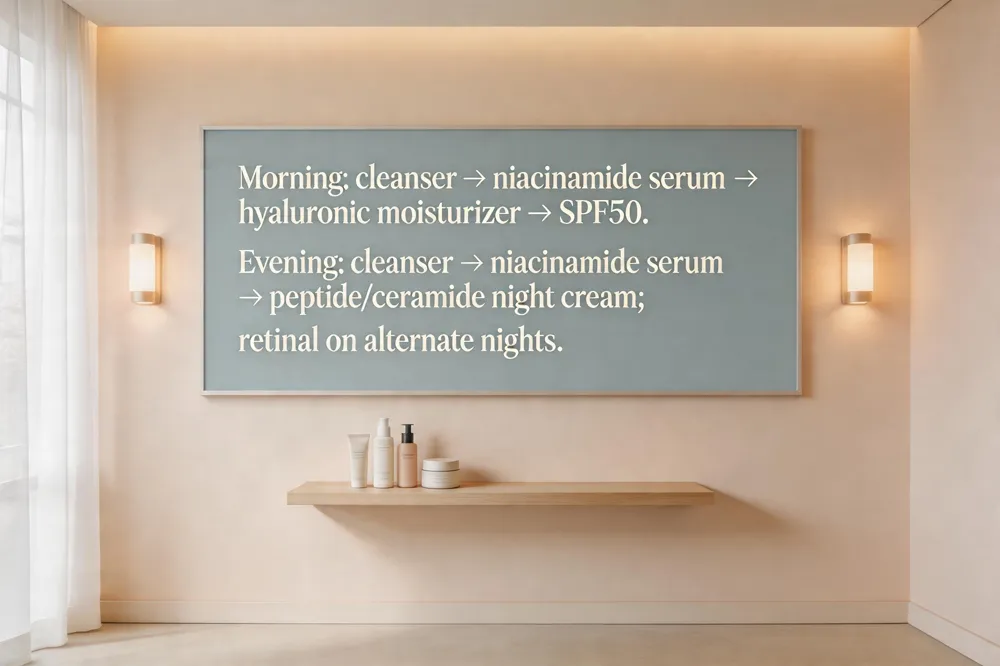 Morning and night regimens for Glenview patients should start with a cleanser that removes debris without stripping lipids. After patting skin dry, apply a niacinamide serum (2‑5 % concentration) to boost ceramide, cholesterol, and fatty‑acid synthesis, reducing transepidermal water loss and strengthening the lipid matrix. Follow with a hyaluronic‑acid moisturizer and a SPF 50 sunscreen containing antioxidants such as vitamin C or niacinamide.
In the evening, repeat the cleanser, then layer a niacinamide‑rich serum with a peptide night cream or a ceramide‑rich barrier repair lotion. For oily or acne‑prone skin, a zinc‑PCA or salicylic‑acid toner can follow, leveraging niacinamide’s sebostatic and anti‑inflammatory effects. Retinol may be used on alternate nights, as niacinamide mitigates irritation while supporting collagen synthesis.
Professional recommendations stress consistency, concentration (2‑5 % for most, up to 10 % for experienced users), and patch testing for sensitive skin. Glenview dermatologists pair niacinamide with hyaluronic acid, ceramides, and SPF for a barrier‑repair system.
Barrier repair without niacinamide can be achieved by focusing on lipid‑replenishing and humectant ingredients. Ceramides—especially blends of multiple types—restore the lipid matrix and protect against irritants. Hyaluronic acid and panthenol draw and bind moisture, while fatty acids such as linoleic acid and cholesterol stabilize the barrier. Soothing botanicals like Centella Asiatica calm inflammation, offering a niacinamide‑free approach to a barrier.
Key Takeaways and Next Steps
Consult a dermatologist for a skin assessment, then tailor a niacinamide‑based regimen with concentration and complementary actives for optimal results.