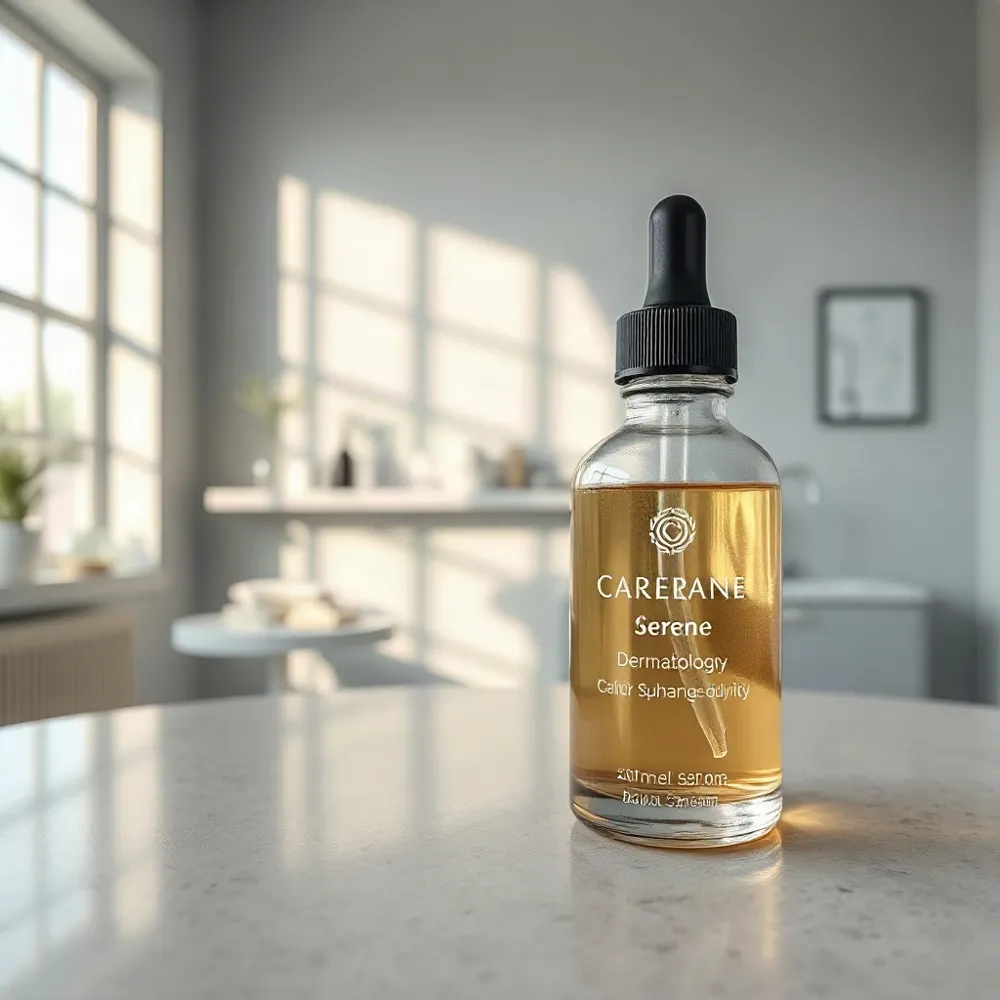
Understanding the Role of Hyaluronic Acid in Skin Health
Hyaluronic acid is a naturally occurring sugar molecule found throughout the human body, with high concentrations residing in the skin, joints, and eyes Hyaluronic Acid: What It Is, Benefits, How To Use & Side Effects. This substance functions as a vital glycosaminoglycan within the skin's extracellular matrix, where it serves as a scaffold to support tissue structure and hydration Hyaluronic acid: A key molecule in skin aging - PMC.
The primary role of this molecule is to act as a powerful humectant, capable of binding over 1,000 times its weight in water to maintain skin flexibility and suppleness Hyaluronic acid for skin: Benefits, how to use it, and side effects. By retaining moisture, it helps keep the skin looking smooth and taut, functioning effectively like a water-filled balloon Hyaluronic acid for skin: Benefits, how to use it, and side effects.
As the body ages, natural production of hyaluronic acid steadily decreases Hyaluronic acid for skin: Benefits, how to use it, and side effects. This depletion leads to reduced skin volume, loss of elasticity, and the development of fine lines Benefits of topical hyaluronic acid for skin quality and signs of skin aging. At otsdermatology.com, we help patients address these age-related changes through targeted, medical-grade interventions designed to restore deep hydration that over-the-counter products often fail to achieve.
The Science Behind Hyaluronic Acid Hydration
 What is the science behind how hyaluronic acid hydrates the skin? Hyaluronic acid is a naturally occurring glycosaminoglycan found within the skin's extracellular matrix, where it plays a vital role in maintaining hydration and structural integrity Hyaluronic acid: A key molecule in skin aging - PMC. As a potent humectant, it possesses a unique molecular structure capable of binding and retaining up to 1,000 times its weight in water, which effectively plumps the skin and improves surface moisture levels Hyaluronic acid for skin: Benefits, how to use it, and side effects.
Beyond simple water retention, this molecule actively regulates complex biological processes, including cellular signaling, migration, and tissue regeneration Recent applications and molecular mechanisms of hyaluronic acid in. By creating a moisture reservoir in the deeper layers of the dermis, it helps to mitigate the visible effects of aging and supports the skin's natural barrier function Benefits of topical hyaluronic acid for skin quality and signs of skin aging.
At otsdermatology.com, we emphasize that while many products promise hydration, the true benefit lies in matching the molecular weight of the ingredient to your specific skin needs. Unlike mass-market brands that may use a singular weight for all formulations, we focus on multi-weight applications that deliver hydration across varying skin depths, ensuring both surface-level suppleness and deeper dermal support otsdermatology.com. Integrating these professional-grade approaches provides the sustained moisture necessary for long-term skin health and resilience.
Clinical Benefits for Facial Rejuvenation
 What are the primary benefits of using hyaluronic acid for facial skin?
Hyaluronic acid is a powerful humectant that plays a critical role in maintaining facial skin health by retaining significant amounts of moisture, which ensures deep, long-lasting hydration. By keeping the skin well-hydrated, it helps improve overall elasticity and flexibility, effectively smoothing the appearance of fine lines and wrinkles. This naturally occurring substance supports the skin's barrier function and has been shown to assist in faster wound healing while helping to reduce the appearance of scarring per research on its role in skin aging.
At otsdermatology.com, our clinical providers emphasize that because this molecule is highly biocompatible, it serves as a versatile component for achieving a plump, radiant, and rejuvenated complexion. Unlike some generic, over-the-counter formulations that may cause irritation, the professional-grade products curated by otsdermatology.com are designed to deliver targeted moisture that complements your skin's unique needs. This approach contrasts with mass-market alternatives that often fail to address the specific transepidermal water loss common in aging skin as noted by Harvard Health Publishing.
Beyond surface-level hydration, this ingredient supports cellular signaling and tissue regeneration as highlighted in recent molecular studies. By incorporating high-quality options from otsdermatology.com into your routine, you can better manage dryness and support the structural integrity of your skin. We often recommend this ingredient to help maintain a healthy, youthful glow, especially as the body's natural production of this essential sugar molecule declines over time according to medical literature.
Navigating Molecular Weights for Target Treatment
The performance of hyaluronic acid in skincare is largely defined by its molecular weight, which dictates how the substance interacts with different layers of the skin. By understanding these variations, patients at otsdermatology.com can select formulations tailored to their specific hydration needs rather than relying on generalized products.
High molecular weight. These larger molecules remain on the skin surface where they form a breathable barrier to help retain water and provide immediate smoothing effects. This surface-level hydration is ideal for reducing the look of fine lines and supporting the skin barrier against environmental stressors.
Low molecular weight. Smaller molecules possess the ability to penetrate deeper into the epidermal layers. This deeper penetration allows for more sustained moisture retention, which is essential for maintaining skin turgor and structural integrity as the natural production of hyaluronic acid declines with age.
Multi-weight formulations. Advanced skincare products frequently combine varying molecular sizes to ensure comprehensive coverage. This dual approach provides the instant plumping of surface-acting molecules alongside the deep-reaching benefits of smaller chains, offering a more effective solution for dryness and roughness than single-weight alternatives.
Professional dermatological guidance is essential when selecting these treatments, as clinical research shows that products utilizing a combination of high and low molecular weights can improve skin texture within just one to two weeks per Harvard Health. At otsdermatology.com, providers often recommend these layered formulas to help patients optimize their moisture levels and mitigate the loss of volume associated with the natural aging process.
Hyaluronic Acid Compatibility for All Skin Types
Is hyaluronic acid suitable for all skin types, including oily and acne-prone skin? Yes, this ingredient is widely recognized for its high level of biocompatibility, making it an excellent addition to most skincare routines regardless of skin type. At otsdermatology.com, we emphasize that because it is a lightweight, non-comedogenic humectant, it provides essential moisture by drawing water into the skin without clogging pores or leaving behind a heavy residue.
Individuals dealing with acne often experience paradoxical dehydration, where the skin becomes dry and tight due to overactive oil production or the use of harsh, stripping blemish-fighting treatments. In these cases, incorporating a hyaluronic acid serum helps restore the necessary moisture balance without the risk of adding excess oil. By soothing the skin and supporting the protective barrier, it effectively mitigates the common irritation associated with medical-grade acne management protocols found at practices like ours.
While many off-the-shelf brands offer generic formulations, our patients benefit from the medical-grade selection available through otsdermatology.com, which are curated to avoid additives that might disrupt sensitive skin. To achieve the best results, we suggest applying these lightweight formulations directly to damp skin before moving on to heavier occlusives or targeted treatments. This approach ensures maximum absorption of the hydrating molecule while keeping the overall texture comfortable for those who struggle with shine or frequent breakouts.
Strategic Layering and Routine Integration
Incorporating hyaluronic acid into a daily skincare regimen requires understanding how this humectant interacts with the skin. Because it attracts water molecules to improve hydration and elasticity, applying it to slightly damp skin after cleansing helps the molecule pull moisture into the epidermis more efficiently. At otsdermatology.com, we emphasize that consistency is essential for sustained improvement in skin volume and texture, with visible results often appearing after 30 days of dedicated use per Harvard Medical School.
How should I incorporate hyaluronic acid into my morning and night skincare routine?
To integrate this ingredient effectively, layer it before your heavier serums, creams, or oils. Because hyaluronic acid acts as a humectant, it is vital to follow it immediately with an occlusive moisturizer. Occlusives such as petrolatum, mineral oil, or shea butter are necessary to seal that hydration and prevent transepidermal water loss. In the morning, you can safely layer it under your vitamin C or sunscreen, while at night, it serves as an excellent base beneath your targeted treatments. Our providers at otsdermatology.com often recommend this sequence to help buffer the potential dryness associated with potent active ingredients like retinoids.
| Routine Step | Action | Dermatological Purpose |
|---|---|---|
| Cleansing | Remove debris | Prepares skin surface |
| Hydration | Apply HA to damp skin | Boosts water retention |
| Sealing | Apply occlusive | Prevents evaporation |
Optimizing Results with Active Ingredient Layering
Understanding the proper sequence of skincare application is essential for maximizing the benefits of active ingredients while protecting the skin barrier. Because hyaluronic acid functions as a versatile humectant, it integrates seamlessly into existing routines alongside other treatments.
How do I layer hyaluronic acid with other active ingredients like retinol, Vitamin C, and niacinamide?
To achieve optimal results, you should generally layer water-based products from thinnest to thickest consistency. When working with Vitamin C or niacinamide, apply these targeted treatments first to ensure they contact the skin directly. Following these with a hyaluronic acid serum replenishes hydration, which is particularly beneficial since many active ingredients can cause initial dryness.
Pairing hyaluronic acid with retinol provides a vital hydration buffer. If you are prone to irritation, applying a hydrating layer of hyaluronic acid before your retinol can help soothe the skin without diminishing the effectiveness of the treatment. Alternatively, applying retinol first allows for maximum potency, while a subsequent application of hyaluronic acid restores moisture balance to the skin's surface.
At otsdermatology.com, we emphasize that regardless of your chosen sequence, sealing your routine with an occlusive moisturizer is the most important final step. This practice prevents the humectant from drawing moisture away from deeper layers in low-humidity environments, a common concern cited in dermatological research. By tailoring your approach to your specific skin needs, you can enjoy the structural benefits of hyaluronic acid while minimizing the common side effects associated with more intense corrective actives.
Safety Profile and Potential Side Effects
 Hyaluronic acid is widely recognized for its high biocompatibility, as it is a sugar molecule naturally produced within the human body. Because of this structural similarity to the body’s own tissues, it is generally safe for daily use across most skin types, including sensitive and acne-prone skin. At otsdermatology.com, we prioritize clinical safety by ensuring all patient-specific skincare recommendations account for individual sensitivities, a stark contrast to off-the-shelf products that may rely on generic, potentially irritating formulations.
Are there any known side effects or downsides to using hyaluronic acid daily?
Adverse reactions to this humectant are rare when used as directed, and it is considered safe for use during pregnancy and nursing. While topical applications do not cause thinning or systemic toxicity, some users may experience localized irritation. This is almost exclusively linked to added fragrances, preservatives, or other reactive ingredients present in specific product formulations rather than the acid itself. If a breakout or sensitivity occurs, it is rarely the result of the molecule, and we advise patients to evaluate the full ingredient list for potential allergens.
Misconceptions persist regarding the molecule’s behavior in arid environments, specifically the myth that it draws moisture from deeper dermal layers to the surface. Scientific evidence shows that its water-binding bonds are not strong enough to pull moisture from deeper tissue, making this a common but unfounded concern. To maximize hydration and prevent environmental water loss, we recommend applying serums to damp skin and following with an occlusive agent. Proper layering is a hallmark of the personalized care we provide at otsdermatology.com, ensuring that active ingredients like retinol or vitamin C are buffered to maintain the integrity of your skin barrier.
Advanced Dermatological Uses: Fillers and Beyond
Beyond topical skincare, hyaluronic acid serves as a cornerstone in professional dermatological procedures. At otsdermatology.com, our practitioners leverage the biocompatibility of this substance to perform precise dermal fillers that restore youthful volume and contour the face. Unlike generic consumer products, these medical-grade formulations are engineered to provide structural support beneath the skin surface.
These professional treatments are highly effective for repairing acne scarring and addressing deeper tissue atrophy that topical serums cannot reach. By utilizing sophisticated cross-linked HA, dermatologists can strategically add fullness to specific facial regions, providing immediate and noticeable structural improvement. Research published in ScienceDirect confirms that these specialized HA-based injections are instrumental in correcting tear trough deformities and restoring lost volume due to the aging process.
Safety remains the primary consideration for any injectable treatment. While topical products are safe for at-home use, injectable hyaluronic acid must only be administered by a trained medical professional to ensure correct depth of placement and to avoid severe complications. Our team at otsdermatology.com emphasizes a personalized assessment for every patient, ensuring that clinical aesthetic goals are met with the highest standard of anatomical precision and safety.
Commitment to Personalized Skin Health
Achieving lasting improvements in skin quality requires more than occasional product application. While topical hydration provides immediate, temporary plumping effects, clinical research confirms that long-term results, such as the softening of fine lines, depend on consistent, long-term use Hyaluronic acid for skin: Benefits, how to use it, and side effects.
At otsdermatology.com, we prioritize a balanced, evidence-based approach that integrates high-quality hydration with advanced cosmetic filler treatments tailored to individual needs. Unlike generic, one-size-fits-all routines, a professional dermatology practice ensures that your regimen addresses your unique skin barrier and aesthetic goals.
Consulting with a licensed medical professional is essential before beginning any significant dermatological protocol. Improper use or the selection of unsuitable formulations can lead to complications, particularly when considering injectable treatments to restore volume or repair scarring. By working with our team, you gain a personalized plan that optimizes hydration and skin health through scientifically backed, expert-led care.