Introduction to Emotional Wellness and Skincare
Consistent Skincare and Mental Well-Being
Engaging in a consistent skincare routine offers more than just physical benefits—it also significantly contributes to mental and emotional well-being. Regular skincare practices create structure and stability in daily life, which can lower stress levels, improve mood, and foster a sense of control and accomplishment. These routines often act as calming, mindful moments that help individuals focus on the present, reducing anxiety and promoting emotional resilience.
The Skin-Mood Connection
Skin health is closely linked to emotional wellness. Stress and anxiety can worsen common skin issues such as acne, eczema, and psoriasis through hormonal changes, especially increased cortisol levels. Conversely, improving skin condition through targeted skincare not only enhances appearance but also boosts self-confidence and self-esteem. This positive shift in self-perception can greatly influence overall mood and quality of life.
Skincare as Self-Care
Practicing skincare signifies an act of self-love and respect. The sensory experiences involved—pleasant textures, soothing scents like lavender or chamomile, and gentle tactile stimulation—trigger the release of mood-enhancing hormones such as oxytocin and endorphins. These experiences transform skincare from a mere routine into an empowering self-care ritual that supports both skin health and emotional well-being.
Mindfulness, Structure, and Stability Through Skincare Rituals
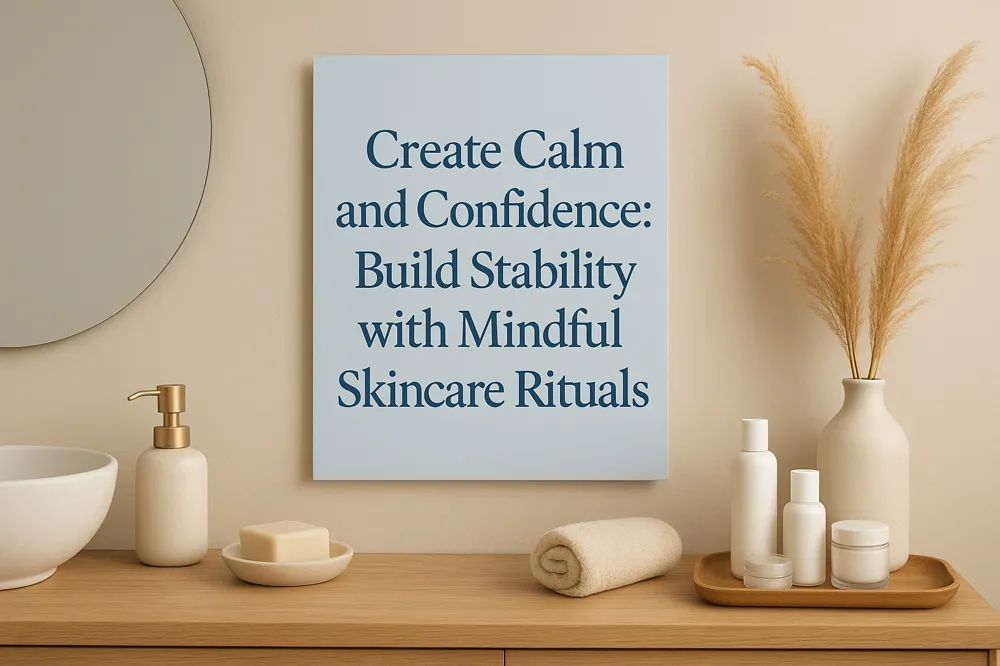
Skincare as a Mindfulness Practice and Meditative Routine
Engaging in a daily skincare routine offers more than just physical benefits; it also functions as a form of Skincare as mindfulness practice and Mindfulness through skincare. By focusing on the sensory experiences—the scent of products, the gentle textures, and the rhythmic motions—individuals can anchor themselves in the present moment. This focus on now helps to Reducing anxiety through skincare and manage stress, turning skincare into a calming meditation that supports emotional resilience.
Creating Daily Structure and Stability that Supports Mental Health
A consistent skincare routine benefits practice provides a predictable and structured part of the day, which is especially beneficial during periods of stress or change. This routine fosters a sense of normalcy and control, helping individuals maintain mental balance. The simplicity of regular cleansing, moisturizing, and protection adds meaningful stability to daily life, promoting feelings of accomplishment and well-being.
Reduction of Anxiety Through Present-Moment Awareness in Skincare
By concentrating on each step of skincare intentionally and slowly, people cultivate present-moment awareness. This mindful skincare practices interrupts cycles of worry and rumination, which often accompany anxiety and depression. The act of caring for the skin becomes a purposeful Skincare as an act of self-love ritual that fosters calmness and improves emotional regulation.
How Simple Routines Improve Adherence and Emotional Benefits
Research highlights that overly complex skincare routines can feel overwhelming, reducing consistency and improving adherence when routines are kept simple. Simple skincare routines increase the likelihood of regular engagement, enhancing the emotional benefits of skincare. When routines are manageable, the sensory pleasure and visible improvement in skin health further boost skin health and self-confidence and mood.
What Should I Expect During a Dermatology Consultation?
During a dermatology consultation, patients undergo a thorough assessment that includes discussing medical history, current skincare practices, and specific concerns. Bringing relevant information like insurance and routine details helps the dermatologist tailor personalized treatment plans. These customized recommendations not only improve skin health but also contribute to Importance of skin care for mental health by addressing individual needs comprehensively.
The Science Behind Skincare’s Impact on Mood and Stress
What is the skin-brain axis and how does the skin communicate with the nervous system?
The Skin-brain axis and emotional well-being refers to the two-way communication system linking the Skin-brain axis, nervous system, and immune system. Rich in nerve endings and neurotransmitter receptors, the skin sends and receives signals that influence both physical and emotional health. This interaction explains why external stimuli on the skin, like touch or topical treatments, can affect mood and stress levels.
How do stress hormones like cortisol affect skin inflammation and mental health?
Stress hormones and skin inflammation increase cortisol production, which triggers skin inflammation and worsens common dermatologic conditions such as acne, eczema, psoriasis, and rosacea. Elevated cortisol disrupts skin repair, oil balance, and barrier function, leading to flare-ups. This not only impacts skin appearance but also contributes to anxiety and lowers self-confidence, showing the deep connection between skin health and mental well-being.
Which skincare ingredients help reduce stress and promote relaxation?
Botanical extracts like Lavender and chamomile benefits as well as Peptides in skincare and niacinamide have proven stress-reducing effects. Lavender and chamomile calm the nervous system and lower cortisol levels, promoting relaxation. Niacinamide supports the skin barrier and decreases inflammation, indirectly reducing systemic stress. Peptides assist in skin resilience, creating a soothing effect that benefits emotional health.
How does tactile stimulation during skincare release mood-enhancing hormones?
The physical act of massaging creams or serums activates sensory pathways, triggering the release of oxytocin and endorphins—hormones linked with pleasure, bonding, and relaxation. This Tactile stimulation in skincare transforms skincare routines into moments of calm and mindfulness, lowering stress hormones and enhancing emotional regulation.
What are common medical skin conditions treated in dermatology and their relation to mental health?
Dermatologists commonly treat acne, eczema, psoriasis, rosacea, and skin infections. These conditions often worsen with emotional distress and elevated cortisol. Effective dermatologic management not only improves skin appearance but also supports patients' psychological well-being by reducing visible symptoms that impact self-esteem and mood, highlighting the impact of stress on skin conditions.
Boosting Self-Esteem and Emotional Resilience With Consistent Care
How Do Skincare Routines Build Confidence by Improving Skin Condition and Appearance?
Consistent Skincare routines and confidence enhance the health and appearance of the skin, leading to visible improvements such as clearer, hydrated, and more resilient skin. These changes contribute directly to increased boosting self-confidence with skincare, as individuals feel more comfortable and proud of their appearance. Improved skin condition often reduces the social anxiety and self-consciousness linked to visible skin concerns, allowing people to engage more fully in personal and social interactions.
How Does Healthy Skin Enhance Self-Perception and Positive Body Image?
Maintaining healthy skin fosters positive self-perception and strengthens body image. When skin appears radiant and well-cared for, it reinforces feelings of attractiveness and personal well-being. This sense of skincare for freshness and cleanliness routines promotes emotional wellness, supporting a positive relationship with one's body. Such improvements in cutaneous self-image have been shown to benefit not only younger adults but also older individuals, enhancing mental health and social engagement (Impact of skin care on body image).
What Are the Emotional Benefits of Self-Care Routines?
Engaging regularly in self-care skincare routines offers profound emotional benefits, including feelings of empowerment, happiness, and relaxation. The sensory experience—such as the scent and texture of products—promotes stress reduction through skincare and mindfulness, turning skincare into a calming ritual. Reducing fatigue with skincare, providing moments of tranquility that improve emotional resilience and mental well-being.
Who Can Benefit Specifically From Skincare Routines?
Individuals experiencing stress, low mood, or common skin concerns like acne particularly benefit from consistent skincare routines and mental health. Managing skin issues effectively reduces inflammation and flare-ups triggered or worsened by stress (Stress and skin health). This management can restore a sense of control, bolster resilience, and improve mood. New mothers and people with anxiety find that simple, mindful Improving self-esteem through skincare routines and provide emotional support during challenging times.
How Does Personalized Care in Dermatology Benefit Patients?
Personalized dermatologic care tailors treatments to individual skin types and concerns, optimizing results and preventing mistakes. This targeted approach not only improves skin health but also boosts confidence and satisfaction, enhancing emotional resilience and empowering patients through effective skin management (Importance of skin care for mental health).
The Role of Simplicity and Sensory Experience in Emotional Well-being
Why are simple skincare routines important for emotional health?
Simple and enjoyable simple skincare routines importance are vital because they are easier to maintain consistently, reducing stress linked to overwhelming or complicated regimens. Studies show that more than half of people find complex routines discouraging, which can hinder adherence and reduce emotional benefits. A straightforward routine focusing on cleansing, hydration, and sun protection fosters a sense of structure and control, crucial during stressful times, supporting mental well-being (Importance of Skin Care for Mental Health.
How do sensory aspects like scent, texture, and absorption improve relaxation and mood?
The sensory elements of skincare stimulate the olfactory and tactile systems, enhancing relaxation and mood. Pleasant scents can calm the nervous system, while enjoyable textures and smooth absorption engage tactile receptors, triggering the release of mood-enhancing hormones such as oxytocin and endorphins. These sensory experiences act as mindfulness practices, helping individuals focus on the present, lower cortisol levels, and reduce stress (Sensory experience of skincare, Skincare and stress reduction).
What role do fragrances like lavender and citrus play in mental well-being?
Calming fragrances such as lavender and chamomile promote relaxation and reduce anxiety by soothing the nervous system, making them ideal for night skincare rituals. Conversely, invigorating citrus scents stimulate and refresh the senses, uplifting mood and energy during morning routines. Using purposefully selected fragrances during skincare enhances emotional wellness by supporting the mind-body connection (Calming ingredients in skincare, Lavender and citric scents for wellbeing).
Can combining skincare with social interaction boost happiness and reduce anxiety?
Engaging in skincare routines socially—for example, mask treatments with friends—can increase happiness and lower anxiety through shared relaxation and social bonding. Such interactions enrich the multisensory experience of skincare, fostering positive emotional states and reducing feelings of loneliness (Social benefits of skincare routines, Skincare and emotional well-being).
How do advanced cosmetic treatments complement emotional well-being?
Beyond daily routines, advanced cosmetic skin treatments such as Nordlys® laser, RF microneedling (Morpheus8®), and next-generation injectables like Daxxify™ provide effective rejuvenation with minimal downtime. When combined with medical-grade facials and personalized care plans, they enhance skin appearance and health, which can significantly boost self-confidence and emotional well-being (Boosting self-confidence with skincare, Skin health and self-confidence).
| Element | Effect on Emotional Well-being | Example/Benefit |
|---|---|---|
| Simple routine | Increases adherence, reduces overwhelm | Cleansing, moisturizing, sun protection (Importance of Skin Care for Mental Health |
| Sensory experience | Enhances relaxation, mood, mindfulness | Texture, absorption, massage (Sensory experience of skincare |
| Calming fragrances | Reduces anxiety, fosters tranquility | Lavender, chamomile (Calming ingredients in skincare) |
| Invigorating scents | Uplifts mood, energizes | Citrus scents (Lavender and citric scents for wellbeing |
| Social skincare activities | Boosts happiness, reduces anxiety | Mask parties, shared skincare moments (Social benefits of skincare routines |
| Advanced cosmetic treatments | Improves skin quality, confidence, self-esteem | Nordlys®, Morpheus8®, Daxxify™ injectables (Skincare routine benefits |
Integrating Skincare and Stress Management for Holistic Well-Being
How Does Managing Stress Improve Skin Texture, Clarity, and Resilience?
Chronic stress triggers the release of cortisol, a hormone that increases skin inflammation, disrupts repair mechanisms, and alters oil production, leading to conditions such as acne, eczema, and rosacea. By effectively managing stress, individuals often see noticeable improvements in skin texture, clarity, and resilience within a few weeks. This is because lowering stress hormone levels reduces inflammation and supports healthier skin barrier function, allowing skin to heal and maintain balance more efficiently. See more about Stress and skin health and Stress hormones and skin inflammation.
How Does Skincare Lower Stress Hormones and Support Emotional Regulation?
Engaging in mindful skincare routines triggers the release of mood-enhancing hormones such as oxytocin, endorphins, dopamine, and serotonin. These chemicals promote relaxation, reduce anxiety, and help regulate emotional responses. Additionally, skincare ingredients like botanical extracts (lavender, chamomile) and Peptides in skincare can directly inhibit cortisol production in the skin, reducing local inflammation and further supporting emotional wellness. The sensory experience—through touch, scent, and texture—also acts as a calming ritual that fosters mindfulness and emotional grounding. Learn more about Skin-brain axis and emotional well-being and Tactile stimulation in skincare.
What Are the Synergistic Effects of Combining Skincare with Lifestyle Changes Like Nutrition and Sleep?
Holistic care that combines consistent skincare routines and mental health with balanced nutrition, quality sleep, and regular exercise amplifies skin and mental health benefits. A healthy diet rich in prebiotics, probiotics, antioxidants, and essential nutrients supports the Gut microbiome and mental health and Gut-skin-brain axis, reducing systemic inflammation and promoting clearer, healthier skin. Good sleep enhances skin repair and hormonal balance, which synergizes with topical skincare to improve skin resilience. Together, these lifestyle factors create a positive feedback loop, enhancing both physical appearance and emotional well-being. For detailed insights, see Gut microbiome and mental health and Skincare routines and mental health.
What Are the Long-Term Emotional and Physical Health Benefits of Holistic Skin and Mental Health Care?
Sustained integration of stress management and targeted skincare over months leads to durable improvements in skin health, such as reduced flare-ups and improved tone and texture. Emotionally, individuals benefit from increased self-confidence, reduced social withdrawal, and enhanced overall happiness. The structure and mindfulness of skincare routines contribute to reduced anxiety and depression symptoms, building emotional resilience. This comprehensive approach promotes a sense of control, routine stability, and a positive cycle of physical and psychological wellness throughout life. Discover more about Benefits of Skin Care Routines on Mental Health and Skincare routines and mental health.
Conclusion: Embracing Skincare as a Path to Emotional Vitality
The Emotional Power of Consistent Skincare Routines
Maintaining a regular skincare routine offers profound emotional benefits. It fosters mindfulness, reduces stress, and enhances self-esteem by improving skin health and appearance. These routines provide structure and moments of calm in daily life, encouraging a compassionate connection with oneself. The sensory experience—through scents, textures, and tactile stimulation—also promotes relaxation and emotional balance.
Skincare: More than Physical Care
Skincare is not just about outward appearance; it plays an integral role in nurturing mental health. The skin-brain connection means that healthy skin supports emotional well-being by reducing stress-related inflammation and producing neurochemical responses that uplift mood and calm the nervous system.
Taking Action for Your Skin and Mind
Embrace skincare as a holistic practice supporting both your skin’s vitality and emotional resilience. Personalized dermatology services can tailor routines and treatments to your unique skin needs while enhancing your overall well-being. Investing in professional guidance ensures the most effective strategies for maintaining clear, healthy skin and emotional balance, empowering you to look and feel your best every day.