Introduction: The Skin‑Mind Connection
The skin‑brain axis is a two‑way communication highway linking the body’s largest organ with the central nervous system. Nerves, immune cells, and hormone receptors in the skin send signals to the brain, while stress hormones such as cortisol travel back to disrupt the barrier, increase inflammation, and trigger flare‑ups of acne, eczema or premature aging. Because this connection is bidirectional, nurturing the skin can simultaneously soothe the mind. Mindful routines—gentle cleansing, moisturizing, facial massage, and calming scents—activate the parasympathetic nervous system, lower heart rate, and boost oxytocin and serotonin. A holistic approach that blends evidence‑based products, personalized treatment plans, and self‑care rituals therefore supports both skin health and emotional well‑being.
Psychological Aspects of Skin Disorders
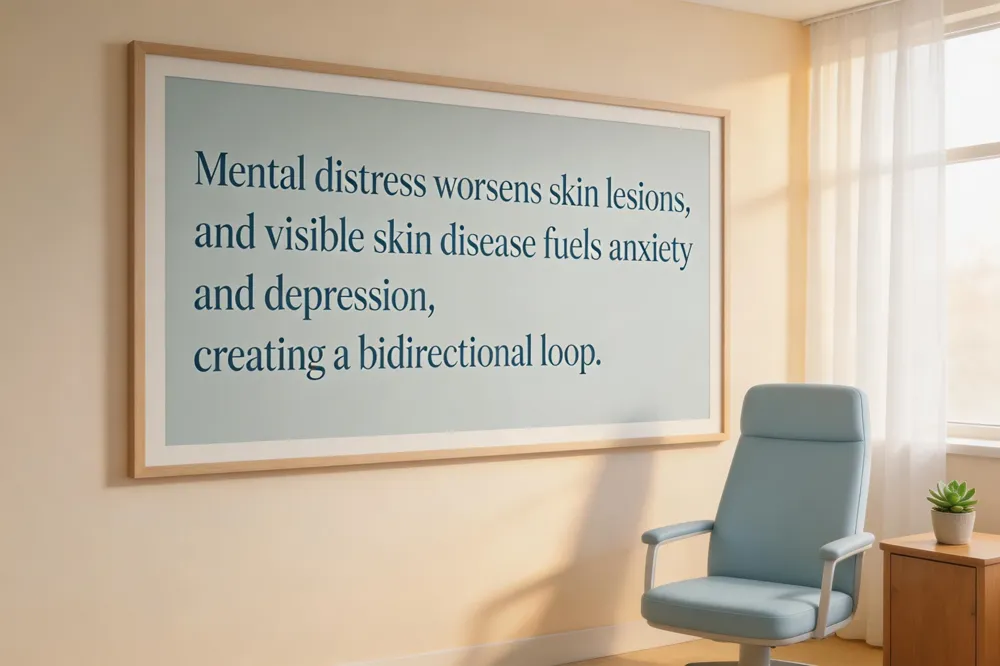 Visible lesions—acne, eczema, psoriasis, rosacea—are often the first thing others notice, and they can dramatically lower self‑esteem and trigger body‑image concerns. Studies show that over 30 % of dermatology patients experience anxiety or depression, and stigma surrounding skin disease amplifies social withdrawal. Stress activates the hypothalamic‑pituitary‑adrenal axis and the neuro‑immune‑cutaneous network, releasing cortisol and inflammatory cytokines that weaken the skin barrier and worsen flare‑ups. This bidirectional loop means that mental distress aggravates skin disease, while visible skin disease fuels psychological suffering. Psychiatric comorbidities such as generalized anxiety, major depression, and obsessive‑compulsive behaviors (e.g., skin picking) are common, and some psychotropic meds can provoke dermatologic side effects. Psychodermatology emphasizes integrated care: dermatologists address the physical lesion while psychologists or psychiatrists provide CBT, coping strategies, or medication when needed. Routine screening for mood disorders and compassionate communication can break the cycle, improving both skin health and overall well‑being.
Mind‑Skin Connection Explained
 Mind‑skin connection – Psychological stress triggers cortisol and neuropeptides that increase sebum, inflammation, and immune dysregulation, while parasympathetic activation through mindful routines promotes calm and skin resilience.
What emotions are behind skin problems? – Sadness, depression, fear, and anxiety are most strongly linked to flare‑ups; anger and disgust may also contribute. These emotions amplify stress hormones, creating a bidirectional cycle of mood worsening and skin dysfunction.
Why is emotional wellness important? – Emotional health reduces disease risk, speeds recovery, and bolsters self‑esteem, confidence, and social connection, all of which are essential for optimal skin and overall well‑being.
What are the 5 C’s of wellness? – Competence, Confidence, Connection, Character, and Caring form a balanced framework that supports mental resilience and, in turn, healthier skin.
Behavioral Signs and Emotional Triggers
 Behavioral signs of skin problems often appear as repeated picking, scratching, or rubbing of lesions, worsening acne, eczema, or psoriasis. People may avoid mirrors, cover affected areas with clothing or makeup, and limit social interactions out of embarrassment. Anxiety can trigger nervous habits like nail‑biting or facial touching, while stress‑related flares may lead to compulsive skin‑care routines or over‑cleaning. Mood changes such as irritability, low self‑esteem, or depressive symptoms frequently accompany skin issues. Disrupted sleep or neglect of skincare and health‑care appointments are clues that a skin condition is affecting the person.
Exercise, nutrition, and rest improve mood, lifting confidence. Skin hydrated with sun protection, eating boosts confidence in settings. Daily self‑care reduces stress, replaces thoughts with talk, and creates a loop where health fuels confidence, and confidence reinforces habits.
The Role of Skincare Rituals in Emotional Wellness
 Mindful cleansing, gentle moisturizing, and facial massage turn a daily routine into a meditative practice. The tactile sensation of a soft cleanser, the cool glide of a serum, and the rhythmic pressure of massage activate touch receptors that trigger oxytocin and serotonin, creating a calm, uplifted mood. Repeating these steps reinforces self‑agency—each evening you choose to care for your skin, you reinforce the belief that you can positively influence both appearance and emotional wellbeing. A soothing nighttime ritual—low‑light lighting, calming scents like Lavender, and a final moisturizer—signals the brain that it is time to unwind, improving sleep onset and quality.
How does skincare help you emotionally? It acts as a structured self‑care moment that lowers stress, lifts mood, and builds confidence by visibly improving skin health, thereby reducing anxiety linked to conditions such as acne or eczema.
How does skin care improve confidence? Consistent practice enhances appearance, directly boosting self‑esteem and reducing self‑consciousness in social and professional settings.
Psychodermatology is the interdisciplinary field that studies the bidirectional link between psychological states and skin health, using the neuro‑immune‑cutaneous‑endocrine model to guide combined dermatologic and mental‑health interventions. At On The Spot Dermatology in Glenview, we integrate this approach to support both skin and emotional resilience.
Psychodermatology Education and Resources
 Psychodermatology bridges skin and mind, offering clinicians tools to treat both physical lesions and psychological distress.
Psychodermatology course – The European Society for Dermatology and Psychiatry (ESDaP) runs a fully online, year‑long program (Sept 2026‑June 2027) with monthly live English sessions, supervised case discussions, and a diploma on completion. Tuition €2 500‑€3 500, discounts for members, limited cohort for interactive learning.
Psychodermatology book – Clinical Psychodermatology: A Casebook (2025, ISBN 978‑1‑61537‑540‑0) presents 50 real‑world cases and treatment algorithms; the Handbook of Psychodermatology (2022) offers a broader textbook overview for multidisciplinary teams.
Is psychodermatology real? – Yes. Peer‑reviewed research confirms a bidirectional “mind‑skin axis”, and integrated dermatologic‑psychiatric care improves outcomes for conditions like psoriasis, acne, and eczema.
Psychodermatology research – Large studies show >30 % of dermatology patients have psychiatric comorbidities. The NICE model explains neuro‑immune‑cutaneous interactions, while trials demonstrate that combined topical therapy, CBT, and stress‑reduction enhance quality of life.
Integrating Mental Health Support in Dermatology Practice
 Psychodermatology is the interdisciplinary field that studies how stress, anxiety, depression and other emotional states influence skin health and, conversely, how chronic skin diseases affect mental well‑being. The neuro‑immune‑cutaneous‑endocrine (NICE) model explains this two‑way communication, showing that cortisol and neuropeptides can disrupt the skin barrier and amplify inflammation.
Mental health and skin conditions are tightly linked: emotional stress can trigger flare‑ups of psoriasis, eczema, acne and rosacea, while visible lesions often lead to low self‑esteem, social withdrawal and even suicidal thoughts.
Classification of psychodermatological disorders falls into three groups: primary psychodermatologic disease (skin worsened by stress), primary psychodermatologic illness (psychopathology drives skin symptoms), and secondary psychodermatologic disorder (iatrogenic effects of medications or treatments).
For patients seeking "psychodermatology near me," On The Spot Dermatology in Glenview, IL offers a multidisciplinary team of board‑certified dermatologists and licensed psychologists. We use screening tools such as the Modified Mini Screen, collaborate with mental‑health professionals, and create holistic patient pathways that address both visible skin concerns and underlying emotional contributors.
Conclusion: Confidence Grows From Within
Your skin and mind are linked through the skin‑brain axis, where a calm routine lowers cortisol, boosts oxytocin and serotonin, and strengthens the barrier. Research shows that mindful cleansing, moisturising and nightly rituals improve mood, reduce anxiety, and raise self‑esteem. By choosing soothing textures, calming aromas and antioxidant‑rich ingredients you create a meditation that supports both appearance and emotional resilience. Embrace a holistic approach: combine proper nutrition, adequate sleep, stress‑management and dermatologic care. At On The Spot Dermatology in Glenview, Illinois, our team tailors medical and aesthetic treatments—from barrier‑repair moisturisers to targeted retinoids and laser therapy—while listening to your mental‑well‑being goals. Start today and let healthier skin nurture your confidence.