The Hidden Link Between Your Skin and Your Mood
Overview of the Mind‑Skin Relationship
The connection between your skin and your emotions goes far deeper than a bad skin day. A growing body of research in psychodermatology reveals that the skin and brain share an embryonic origin and remain closely linked through the hypothalamic‑pituitary‑adrenal (HPA) axis. This means stress, anxiety, and depression can trigger or worsen conditions like acne, eczema, psoriasis, and rosacea. At the same time, visible skin issues can erode confidence and create a feedback loop of emotional distress.
Why Skin Health Matters for Emotional Wellness
Your skin is more than a physical barrier—it actively influences your psychological well‑being, self‑esteem, and social interactions. A recent global survey of 5,000 people found that 95% of participants said the sensory experience of applying moisturizer improved their mood, while 53% felt overwhelmed by complex routines. Even more striking, 20.1% of individuals with atopic dermatitis experience depression compared to 14.8% of those without the condition, and psoriasis increases the risk of depression by 30% (adjusted odds ratio = 1.30). These numbers underscore that caring for your skin is caring for your mind.
What Readers Will Learn in This Article
In this article, you will discover the science behind the mind‑skin connection, understand why a simple, enjoyable skincare routine can boost emotional well‑being, and learn practical strategies to turn daily skincare into a mindful, mood‑supporting practice. Whether you have a diagnosed skin condition or simply want to feel your best, this guide will help you see your skincare routine in a new light.
Understanding Psychodermatology

What is psychodermatology?
Psychodermatology is a specialized, interdisciplinary field that examines the complex biological and psychological connections between the brain and the skin. It treats conditions where mental health and dermatological health significantly overlap. This approach recognizes that stress, emotions, and psychiatric factors can directly influence the neurological, immunological, and endocrine systems responsible for skin function.
How are psychodermatologic disorders categorized?
Clinicians typically categorize related issues into three groups. Psychophysiologic conditions (like acne, eczema, and psoriasis) are aggravated by emotional states. Primary psychiatric disorders (such as dermatillomania or body dysmorphic disorder) manifest as self-induced skin changes. Secondary psychiatric conditions involve psychological distress, such as depression and social anxiety, caused by living with a chronic visible skin condition.
How do dermatologists and mental-health professionals collaborate?
Treatment combines traditional dermatological therapies with psychological interventions, including Cognitive Behavioral Therapy, stress management, and relaxation techniques. This integrated approach addresses the root triggers of flare-ups. While the field is still growing, modern research supports this holistic mind-skin strategy as a valuable addition to comprehensive skin care and chronic condition management, helping patients break the cycle of stress and skin symptoms.
Stress, Cortisol, and the Skin
How Stress Triggers a Skin-Wide Response
Chronic psychological stress disrupts the communication between the brain and the skin by activating the hypothalamic-pituitary-adrenal (HPA) axis. This cascade releases cortisol and other stress hormones, which directly increase inflammation and alter sebum production. Elevated cortisol impairs the skin's ability to repair itself, making it more reactive to environmental triggers.
The Impact on Barrier Function and Inflammation
Cortisol weakens the skin's natural protective barrier by reducing lipid synthesis and compromising cell cohesion. A compromised barrier allows irritants and pathogens to penetrate more easily, driving local inflammation. This inflammatory state frequently triggers or exacerbates conditions such as acne, eczema, psoriasis, and rosacea, creating a vicious cycle where visible skin distress further elevates emotional stress.
Common Symptoms of Skin Stress
Common visible signs that stress is affecting your skin include sudden acne outbreaks, dry or flushed patches, hives, or a burning sensation. Chronic stress also accelerates visible aging—causing under-eye bags, fine lines, and loss of elasticity—and may lead to hair thinning or brittle nails. Recognizing these symptoms is the first step toward a holistic approach that integrates targeted dermatologic care with stress management strategies to restore both skin health and emotional well-being.
The Brain‑Skin (Mind‑Skin) Connection
What is the brain‑skin (mind‑skin connection) and how does it work?
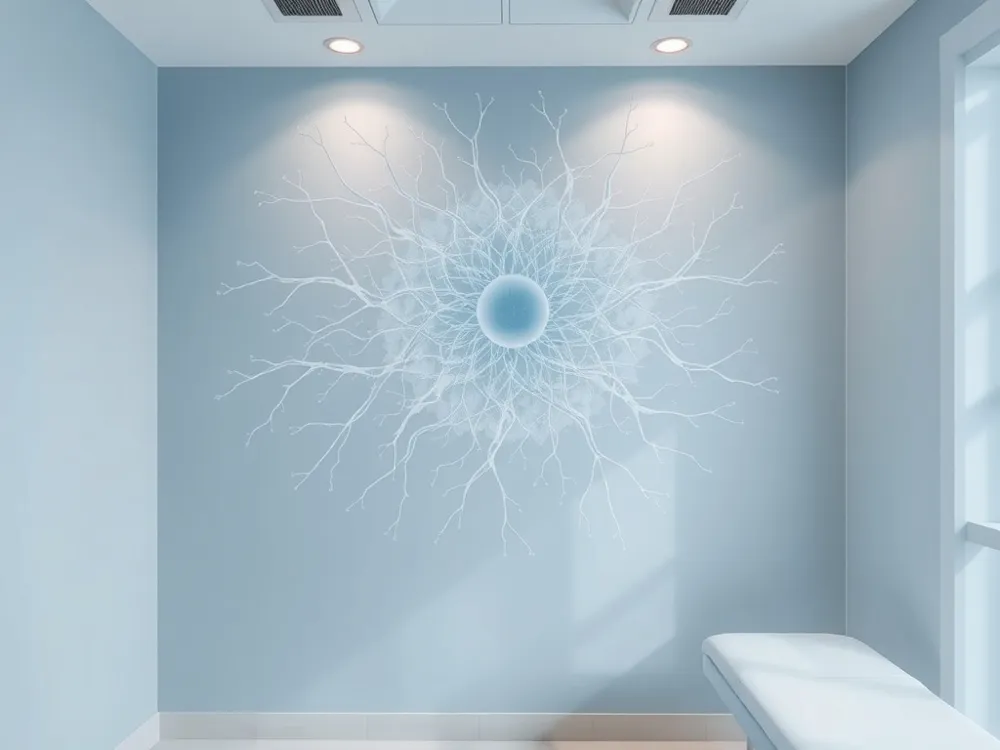
The brain‑skin connection is a sophisticated, bidirectional communication network. This means mental and emotional states can directly influence your skin’s health, and your skin’s condition can, in turn, affect your mood and stress levels.
Which hormones and neuropeptides are involved?
When you experience stress, your brain activates the hypothalamic-pituitary-adrenal (HPA) axis. This leads to the release of key hormones and neuropeptides, including:
- Cortisol: The primary stress hormone. Elevated cortisol increases inflammation, disrupts the skin barrier, and boosts oil production, potentially worsening acne, eczema, and psoriasis.
- Corticotropin-Releasing Hormone (CRH): This hormone is released directly in the skin as well as the brain, triggering local inflammatory responses.
- Neuropeptides: These molecules, such as substance P, can be released by nerve endings in the skin during stress, leading to increased inflammation and sensitivity.
How does feedback from the skin affect mood?
The skin does not just receive signals; it actively sends them back. Inflamed skin releases pro-inflammatory cytokines, chemical messengers that travel through the bloodstream to the brain, influencing mood, cognition, and stress perception. This feedback loop can create a cycle where a skin flare-up leads to increased anxiety and depression, which in turn worsens the skin condition. Understanding this two-way pathway reinforces the need for a comprehensive treatment approach that cares for both the mind and the skin.
| System | Primary Messenger | Effect on Skin | Effect on Brain |
|---|---|---|---|
| HPA Axis (Stress) | Cortisol, CRH | Increases inflammation, weakens barrier, triggers acne/eczema | Alters mood, increases anxiety |
| Skin Feedback | Pro-inflammatory cytokines | Signals inflammation | Triggers depressive symptoms, affects stress perception |
| Nervous System | Neuropeptides (e.g., Substance P) | Increases sensitivity, worsens inflammatory conditions | Heightens pain and stress sensations |
Skin Conditions That React to Stress
Acne, Eczema, and Psoriasis: The Inflammatory Trio
Stress triggers the release of cortisol, a hormone that increases inflammation and oil production navigating directly into flare-ups of acne, eczema (atopic dermatitis), and psoriasis. These conditions are among the most sensitive to psychological distress due to their strong inflammatory component. The severity of eczema and psoriasis correlates with anxiety and depression scores, creating a feedback loop where stress worsens the skin, which increases emotional distress.
Rosacea, Hives, and Hair Loss: The Stress Response in Action
Rosacea is frequently triggered by emotional stress, causing facial redness and flushing that can undermine self‑confidence. Stress can also induce sudden hives (urticaria) and accelerate hair loss, including telogen effluvium. The body’s stress response weakens the skin barrier, leading to heightened sensitivity, excessive dryness, and delayed wound healing, making anxiety a common culprit for these visible changes.
Why Inflammation Spikes During Anxiety
Anxiety triggers the hypothalamic-pituitary-adrenal (HPA) axis, leading to elevated cortisol and adrenaline. This hormonal surge directly increases skin inflammation, impairs immune regulation, and disrupts the skin’s barrier function. The result is a state of heightened reactivity where existing conditions worsen and new stress responses like cold sores (from HSV-1) can emerge.
| Stress-Sensitive Condition | Common Trigger | Inflammatory Mechanism |
|---|---|---|
| Acne | Cortisol surge | Increased sebum and inflammation |
| Eczema (Atopic Dermatitis) | Anxiety, sleep loss | Immune dysregulation, barrier dysfunction |
| Psoriasis | Stress, infection | Altered immune response, cytokine release |
| Rosacea | Emotional stress, heat | Vascular reactivity, flushing |
| Hives (Urticaria) | Acute stress, anxiety | Histamine release |
| Hair Loss (Telogen Effluvium) | Chronic stress | Premature follicle shedding |
| Cold Sores (HSV-1) | Stress, illness | Immune suppression |
Recognizing these stress-skin connections is essential for developing a comprehensive treatment plan that addresses both dermatological symptoms and underlying emotional triggers.
Building a Skin‑Care Routine for Whole‑Body Wellness
Building a skin‑care routine is more than a cosmetic pursuit; it is a foundational practice for supporting both physical health and emotional well‑being. A thoughtful, consistent regimen provides structure, reduces stress, and directly influences the body’s largest organ—the skin—which plays a critical role in immune regulation, endocrine signaling, and microbiome balance. By focusing on simple, evidence‑based steps, you can create a routine that nurtures the skin barrier, supports mental health, and fosters a lasting sense of self‑care.
How can a skin‑care routine support overall well‑being?
A well‑designed skin‑care routine supports overall well‑being by protecting the skin’s barrier function, which in turn helps regulate immune responses, endocrine signals, and the skin microbiome. A healthy barrier reduces systemic inflammation, a contributor to mood disorders. Beyond physical health, caring for your skin enhances emotional well‑being by boosting self‑esteem and improving social interactions. Healthy habits like sun protection, gentle cleansing, and regular moisturizing prevent premature aging and lower the risk of skin cancer, contributing to long‑term vitality.
Barrier‑supporting basics: cleanse, moisturize, SPF
The foundation of any effective routine rests on three simple, non‑negotiable steps. Gentle cleansing removes dirt, oil, and pollutants without stripping the skin’s natural lipids. Daily moisturizing reinforces the epidermal barrier, preventing water loss and reducing inflammation. Daily application of broad‑spectrum SPF 30+ sunscreen shields the skin from UV damage, which can accelerate aging and contribute to systemic inflammation. Together, these three steps maintain skin integrity well, protect against environmental stressors, and support overall health.
Microbiome‑friendly practices
The skin is home to trillions of microorganisms—bacteria, fungi, and viruses—that form a protective ecosystem. Research shows a balanced skin microbiome is associated with reduced stress and improved mood. To support this ecosystem, opt for gentle, pH‑balanced cleansers and avoid harsh antibacterial soaps or over‑exfoliation. Products containing prebiotics or postbiotics can help nourish beneficial microbes. Maintaining a healthy microbiome not only strengthens the skin barrier but also may reduce inflammatory signals that affect the gut and brain.
Psychological boost from ritual and self‑esteem
A daily skin‑care ritual provides structure and a dedicated moment of self‑care. The act of cleansing, massaging, and moisturizing can become a mindfulness practice, lowering cortisol levels and reducing anxiety. This sensory experience—feeling textures and scents—triggers the release of mood‑enhancing neurotransmitters like serotonin and oxytocin. As the skin improves, visible results boost self‑confidence and foster a positive self‑image. This emotional lift creates a virtuous cycle: better skin supports better mental health, which encourages consistent care. A simplified, enjoyable routine is more likely to be maintained, delivering lasting benefits for both skin and mind.
Behavioral Clues and the Mental‑Health Loop
What behavioral signs may indicate underlying skin problems?
Behavioral signs such as excessive scratching, skin picking, or hair pulling can signal underlying skin conditions or stress-related flare-ups. Constant mirror checking or obsessive focus on skin appearance may indicate emotional distress or conditions like body dysmorphic disorder. Social withdrawal—avoiding activities due to embarrassment about one’s skin—and feelings of shame are also common. These behaviors often accompany chronic conditions like psoriasis, eczema, or rosacea and can worsen due to stress. Recognizing these signs early helps address both skin health and emotional well-being.
How does mental health influence skin health?
Mental health strongly influences skin through the brain-skin connection. Psychological stress can trigger or worsen psoriasis, eczema, and rosacea. Conversely, chronic skin diseases often lead to depression, anxiety, and social isolation due to stigma and visible symptoms. This bidirectional relationship is the focus of psychodermatology. Effective treatment frequently combines dermatological care with psychological approaches like cognitive behavioral therapy (CBT) to improve both skin and mental well-being.
Integrating psychological support into dermatology
Integrating psychological support into routine dermatology care improves patient outcomes. Specialized services can address psychiatric conditions that manifest as skin symptoms, such as trichotillomania or skin-picking disorder. Dermatologists may collaborate with mental health professionals to create personalized treatment plans that include stress-management techniques, support groups, and medication monitoring. This holistic approach breaks the cycle where stress worsens skin and skin distress deepens emotional strain, fostering resilience and better quality of life.
Your Skin Is the Starting Point for Emotional Balance
The science confirms what many already feel: your skin and mind are in constant conversation. Stress hormones can trigger acne, eczema, and psoriasis flares, while visible skin concerns can erode confidence and increase anxiety. This two‑way link means that caring for your skin is a direct investment in your emotional balance.
Start with simple, consistent habits. A brief morning cleanse and moisturizer, or a calming nighttime routine, can lower stress, improve sleep, and boost mood. Choose products that feel good — texture and scent matter for emotional benefit. Pair this with basic stress‑reduction practices like mindful breathing or gentle movement to support both skin resilience and mental well‑being.
At On The Spot Dermatology, we understand that skin health and emotional wellness go hand in hand. Our team offers personalized evaluations and advanced treatments — from medical therapies for inflammatory conditions to cosmetic options that restore confidence. We work with you to build a care plan that respects your skin, your schedule, and your whole self. Contact us today to start your journey toward balanced skin and a calmer mind.
| Mind‑Skin Connection | Practical Action | Emotional Benefit |
|---|---|---|
| Stress worsens acne, eczema, psoriasis | Consistent cleansing & moisturizing | Reduces anxiety, improves mood |
| Skin concerns lower self‑esteem | Choose pleasant textures & scents | Boosts confidence, promotes mindfulness |
| Inflammation affects mood | Add stress‑reduction (breathwork, sleep) | Lowers cortisol, supports resilience |
| Integrated care needed | Partner with On The Spot Dermatology | Whole‑person support for lasting well‑being |