Why Myths Matter in Skin Health
Misinformation can steer patients toward ineffective habits—such as relying on “detox” facials or excessive water intake—while neglecting proven strategies like daily broad‑spectrum sunscreen and retinoid therapy. In Glenview, Illinois, board‑certified dermatology and facial‑plastic surgeons base recommendations on rigorous clinical data, ensuring that skin‑care routines and procedural options (laser resurfacing, chemical peels, neuromodulators, and fillers) are tailored to each individual’s skin type, sun‑exposure history, and aging concerns. Among the most persistent myths are the ideas that indoor tanning is safe, that instant facelifts match surgical outcomes, and that moisturizers alone can reverse deep collagen loss. Recognizing and correcting these myths empowers patients to adopt evidence‑based practices that truly preserve skin health and slow premature aging.
The Sun, UV Radiation, and Photo‑Aging
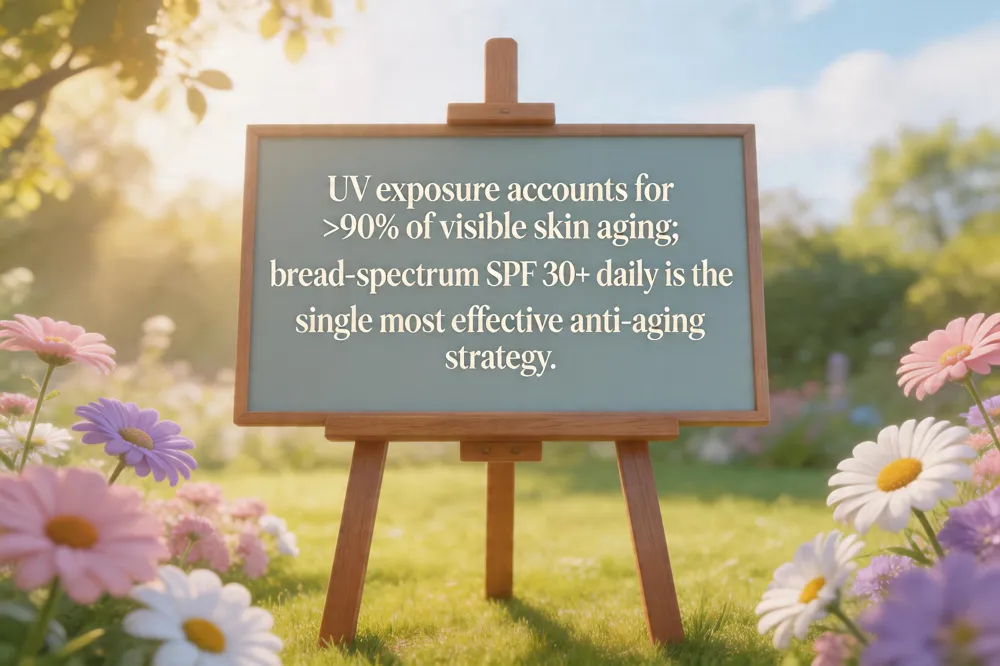 UV radiation reaches the skin in three ways: directly from the sun, through clouds and fog, and by reflecting off surfaces such as sand, water, or concrete. Up to 80 % of ultraviolet light penetrates overcast skies, and UVA rays pass through standard glass windows meaning indoor exposure is still a risk. Because UV exposure accounts for more than 90 % of visible skin‑aging changes—wrinkles, fine lines, and age spots—protecting skin from both UVA and UVB is the single most effective anti‑aging strategy.
Effective sunscreen practice includes applying a broad‑spectrum product with SPF 30 or higher every morning, using a nickel of at least one shot‑glass (≈2 mg cm⁻²) to cover the face, neck, and any exposed areas. Reapply every two to three hours, or after swimming, sweating, or towel‑drying. Physical blockers (zinc oxide, titanium dioxide) are especially reliable, and they work even on cloudy or shaded days.
Is 90 % of skin aging caused by the sun? Yes. Scientific reviews and EPA data show that chronic UV exposure drives the majority of premature skin changes, far exceeding intrinsic genetic aging.
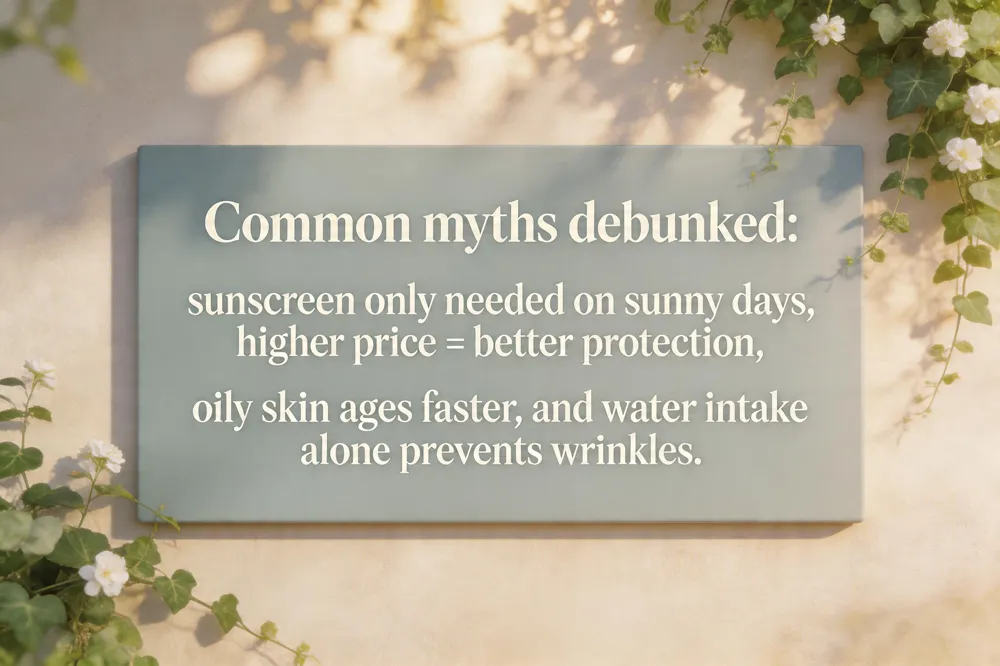
Common myths about skincare Misconceptions include: sunscreen only on sunny days, higher price guaranteeing efficacy, oily skin not needing moisturizer, daily exfoliation being harmless, and antibacterial soaps being necessary for routine cleaning. Each myth is refuted by clinical evidence.
What is the best treatment for 70‑year‑old skin naturally? A gentle, fragrance‑free cleanser, a hyaluronic‑acid‑rich moisturizer, daily broad‑spectrum SPF 30+, antioxidant serums (vitamin C, niacinamide), a diet rich in omega‑3s and colorful produce, adequate hydration, and smoking cessation. Tailoring this regimen with a board‑certified dermatologist ensures optimal results.
Topical Ingredients That Truly Work
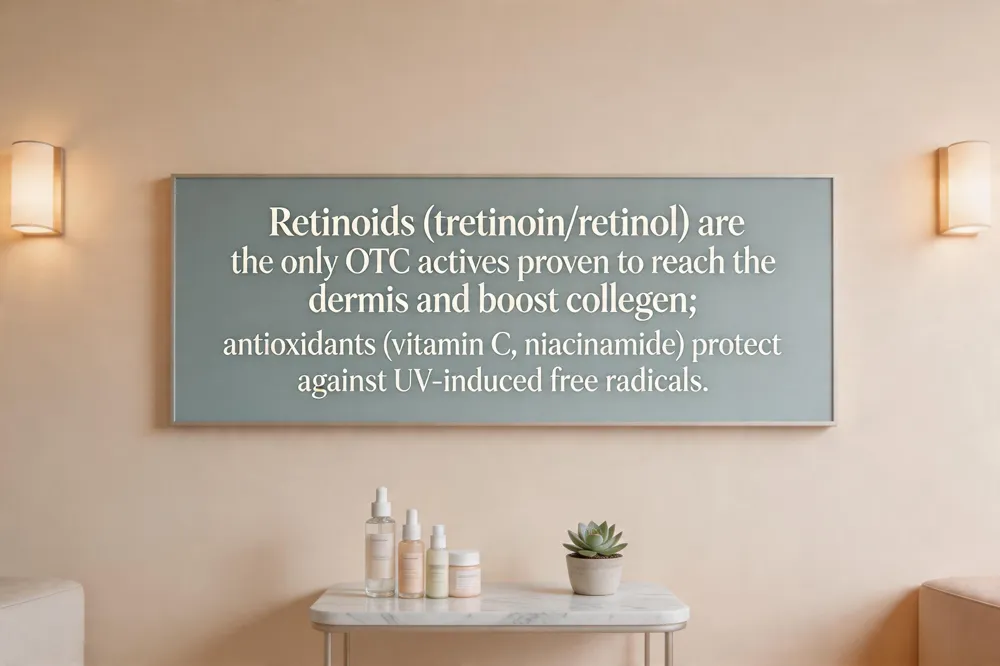 Retinoids are the only over‑the‑counter class proven to reach the dermis and stimulate new collagen. Prescription‑strength tretinoin (0.05‑0.1 %) and its gentler cousin retinol penetrate the epidermal barrier, accelerate cell turnover, and visibly smooth fine lines and age spots within weeks. Starting low (0.025 %) and building frequency minimizes irritation, and a board‑certified dermatologist should tailor the regimen.
Antioxidants such as vitamin C and niacinamide protect against UV‑generated free radicals and improve dermal health. Vitamin C (L‑ascorbic acid) neutralizes oxidative stress, brightens hyperpigmentation, and supports collagen synthesis, while niacinamide strengthens the skin barrier, reduces inflammation, and can diminish fine‑line depth. Both ingredients are stable in modern formulations and work best when applied after cleansing and before sunscreen.
Moisturizers that replenish the barrier are essential. Formulations with hyaluronic acid, glycerin, or ceramides lock in water, prevent transepidermal water loss, and create a healthy foundation for active agents. A well‑balanced routine—gentle cleanser, antioxidant serum, retinoid at night, and broad‑spectrum SPF 30+ daily—delivers the most reliable anti‑aging results.
Tretinoin for anti‑aging – Tretinoin is the gold‑standard topical retinoid; nightly use at 0.05‑0.1 % smooths wrinkles, fades spots, and boosts collagen, with clinical trials confirming significant improvement.
How to reverse aging skin naturally – Consistent SPF protection, antioxidant‑rich skincare, a diet rich in fruits, vegetables, omega‑3s, adequate sleep, stress management, and hydration collectively support skin regeneration.
What dermatologists call the one true anti‑aging product – Dermatologists consistently cite tretinoin as the most evidence‑based, multi‑purpose ingredient for reversing visible signs of aging.
Procedural Options for Visible Aging
 Laser resurfacing and chemical peels are physician‑directed procedures that remodel damaged dermis. Fractional laser and medium‑depth peels safely remove sun‑induced epidermal layers, stimulating new collagen and elastin within days to a week, reducing fine lines, age spots, and texture irregularities.
Injectables—Botox for neuromodulation of dynamic wrinkles and hyaluronic‑acid dermal fillers for volume loss—address both muscular and static changes. Botox temporarily relaxes facial muscles, preventing deeper lines, while fillers restore lost sub‑cutaneous fat, smoothing nasolabial folds and marionette lines.
Modern facial rejuvenation techniques combine energy‑based devices (radio‑frequency, ultrasound, and microneedling) with precise laser or peel protocols, offering natural‑looking results with minimal downtime. These technologies tighten tissue, improve skin tone, and can be tailored to individual aging patterns.
How to keep skin young after 40 – Apply broad‑spectrum SPF 30+ daily, even on cloudy days, and reapply every two hours outdoors. Use a gentle cleanser, antioxidant vitamin C serum, and night‑time retinoid (prescription or tolerated over‑the‑counter) to boost collagen. Finish with a hyaluronic‑acid moisturizer, stay hydrated, eat antioxidant‑rich foods, get 7‑9 hours sleep, and avoid smoking and excess alcohol. Consider in‑office radio‑frequency microneedling or Ultherapy for additional firmness.
What is the 60‑second ritual to get rid of wrinkles? – While cleansing with a hydrating cleanser, massage the face in upward, circular motions for one minute, focusing on the eyes, mouth, and forehead with the ring finger. Rinse with lukewarm water, then apply an anti‑aging serum and moisturizer. This brief massage enhances circulation, product absorption, and collagen stimulation.
Skin aging myths – Collagen supplements do not rebuild skin collagen; SPF‑infused makeup cannot replace a dedicated sunscreen; many “anti‑aging” creams lack robust clinical evidence; and no single quick‑fix can reverse years of sun damage. Consistent UV protection, a healthy lifestyle, and evidence‑based treatments remain the most effective strategies.
Lifestyle Factors That Accelerate or Decelerate Aging
 Premature aging appears when fine lines, deep wrinkles, age spots, loss of elasticity and uneven tone show up earlier than expected. The chief culprits are extrinsic stressors—chronic UV exposure (including UVA that penetrates glass), smoking, excessive alcohol, high‑sugar diets, and persistent stress—all of which trigger oxidative damage and activate matrix‑metalloproteinases that break down collagen and elastin. Protecting the skin with a broad‑spectrum SPF 30+ sunscreen every day, quitting smoking, limiting alcohol, and adopting a nutrient‑dense, antioxidant‑rich diet can markedly slow this process. In the 40s, a robust anti‑aging routine adds a medical‑grade moisturizer containing hyaluronic acid or ceramides, a nightly retinol or vitamin C serum to stimulate collagen, and regular exercise (both cardio and strength) to improve circulation and muscle tone. Adequate sleep and a stable circadian rhythm further support skin repair. To keep skin young and wrinkle‑free, combine daily sunscreen, gentle cleansing, and barrier‑supporting moisturizers with proven actives like retinol, vitamin C, niacinamide, or bakuchiol. Hydration, balanced nutrition, stress management, and avoidance of smoking and excess alcohol are essential lifestyle pillars. Schedule routine visits with a board‑certified dermatologist for personalized skin‑care plans and professional treatments such as chemical peels or laser resurfacing when needed.
Age‑Specific Concerns & Practical Guidance
 Early Signs of aging at 30
Around the early thirties the first visual cues of skin aging are fine lines—often crow’s feet and smile lines—plus a subtle loss of facial volume that can make cheeks look slightly more angular. Early hyperpigmentation and occasional sun spots emerge, especially in those with cumulative UV exposure, because up to 80% of UV light penetrates clouds and reflection can reach the skin. Collagen synthesis begins to decline, leaving the skin a bit drier and less elastic. Daily broad‑spectrum sunscreen (SPF 30+), a gentle cleanser, and a moisturizer that restores the barrier are essential to slow this process.
Early Signs of aging at 30
Around the early thirties the first visual cues of skin aging are fine lines—often crow’s feet and smile lines—plus a subtle loss of facial volume that can make cheeks look slightly more angular. Early hyperpigmentation and occasional sun spots emerge, especially in those with cumulative UV exposure, because up to 80% of UV light penetrates clouds and reflection can reach the skin. Collagen synthesis begins to decline, leaving the skin a bit drier and less elastic. Daily broad‑spectrum sunscreen (SPF 30+), a gentle cleanser, and a moisturizer that restores the barrier are essential to slow this process.
Best facial for aging skin over 50 For patients over 50 a medical‑grade facial should combine deep hydration, collagen‑stimulating act, and gentle exfoliation. A low‑strength chemical peel or micro‑dermabrasion followed by a serum containing retinol (or prescription‑strength tretinoin), peptides, and hyaluronic acid promotes new collagen while replenishing moisture. Antioxidant‑rich moisturizers and a brief LED‑light session further reduce inflammation and brighten dull, mature skin. Tailoring the regimen to individual skin type and ensuring regular sunscreen re‑application maximizes results with minimal downtime.
Does oily skin age faster? Oily skin typically ages more slowly than dry skin because sebum provides a natural moisturizing barrier that preserves elasticity and offers some protection against UV‑induced oxidative damage. However, excess oil can enlarge pores and trigger acne, which may affect texture. A balanced routine—non‑comedogenic moisturizers, gentle cleansing, and daily broad‑spectrum sunscreen—helps oily skin retain its anti‑aging advantage while preventing inflammation‑related aging.
Myths, Questions, and Quick Answers
Cold Water and Aging
Cold‑water exposure is often blamed for “aging the skin,” but the evidence does not support this claim. Moderate, brief immersion can stimulate autophagy and reduce inflammation, processes that actually support healthier skin. Problems arise only with extreme, prolonged exposure that raises cortisol and triggers chronic inflammation, which can accelerate wrinkle formation. Use cold water sparingly—short showers or brief face splashes—to reap any potential benefit without stressing the skin.
Water Intake and Skin Health
Drinking extra water does not directly prevent permanent wrinkles. Skin hydration is maintained more effectively by limiting hot or chlorinated water and using gentle, non‑alcoholic cleansers that preserve the barrier. A well‑formulated moisturizer (e.g., containing hyaluronic acid or petrolatum) locks in moisture and supports barrier function, which helps fine lines appear less pronounced.
Facial Exercises and Yoga
Facial yoga or repeated muscle contractions are not a proven anti‑aging strategy. In fact, excessive facial movements can worsen dynamic wrinkles by repeatedly tightening the underlying muscles. Relaxation techniques are fine, but they should not replace proven treatments such as retinoids, sunscreen, or professional procedures.
Does cold water make you age faster? Moderate cold‑water exposure does not speed up aging and may even promote cellular clean‑up processes. Extreme, prolonged exposure, however, can trigger stress pathways that damage skin cells.
How to keep skin young after 40? Use daily broad‑spectrum SPF 30+ sunscreen, a gentle cleanser, vitamin C serum, nighttime retinol or prescription retinoid, and a hyaluronic‑acid moisturizer. Complement with a healthy diet, adequate sleep, and consider in‑office treatments like radiofrequency microneedling or Ultherapy for added firmness.
What are the 12 theories of aging? 1) genomic DNA damage 2) telomere shortening 3) epigenetic alterations 4) protein‑misfolding 5) cellular senescence 6) stem‑cell exhaustion 7) AGE accumulation 8) AMPK dysregulation 9) inflammaging 10) mTOR overactivity 11) reduced sirtuin activity 12) mitochondrial dysfunction.
Your Path to Evidence‑Based Youthful Skin
Modern skin‑aging myths often mislead, but the evidence is clear: UV radiation drives >90 % of visible aging, so broad‑spectrum SPF 30+ sunscreen is essential even on cloudy days or indoors. Retinoids—especially prescription tretinoin—are the only topical agents proven to reach the dermis and stimulate collagen, while antioxidants and moisturizers support barrier health. Smoking, excess alcohol, poor sleep, and high‑glycemic diets accelerate wrinkles; regular exercise and a diet rich in fruits, vegetables, and omega‑3s protect skin cells. Professional procedures such as laser resurfacing, chemical peels, and injectable fillers address sun‑induced damage more effectively than over‑the‑counter creams. At On The Spot Dermatology, board‑certified dermatologists create personalized plans that combine proven products with treatments for lasting results. Trust a science‑backed approach for youthful skin.