Why Vitamin E Is Back in the Spotlight
Vitamin E (tocopherol) is a fat‑soluble antioxidant that neutralizes free radicals generated by UV radiation, pollution and other environmental stressors. By protecting cell membranes from oxidative damage, it helps preserve the skin’s natural barrier, reduces transepidermal water loss, and supports collagen synthesis, which together translate into smoother texture, better hydration and modest improvements in fine lines. Recent dermatology research has renewed interest in vitamin E because modern formulations can stabilize the molecule and deliver it at concentrations (0.5 %–5 %) that are both safe and effective. When paired with complementary actives such as vitamin C, hyaluronic acid or niacinamide, vitamin E amplifies photoprotection and brightening effects, a synergy that is reflected in many peer‑reviewed studies and clinical trials.
Derma Made has positioned its new vitamin E line within the clean‑beauty movement, emphasizing vegan, cruelty‑free, and sustainably packaged products. The brand’s serum, moisturizer and body cream each contain a stable form of tocopherol (often as tocopheryl acetate) combined with hyaluronic acid, niacinamide and plant‑derived oils to enhance barrier repair while meeting FDA safety limits. By marketing these products as dermatologist‑reviewed, fragrance‑free and non‑comedogenic, Derma Made aligns with the current demand for transparent, evidence‑based skincare that is gentle enough for sensitive skin yet potent enough for anti‑aging benefits.
The Brand, Its Line‑up, and Market Reputation
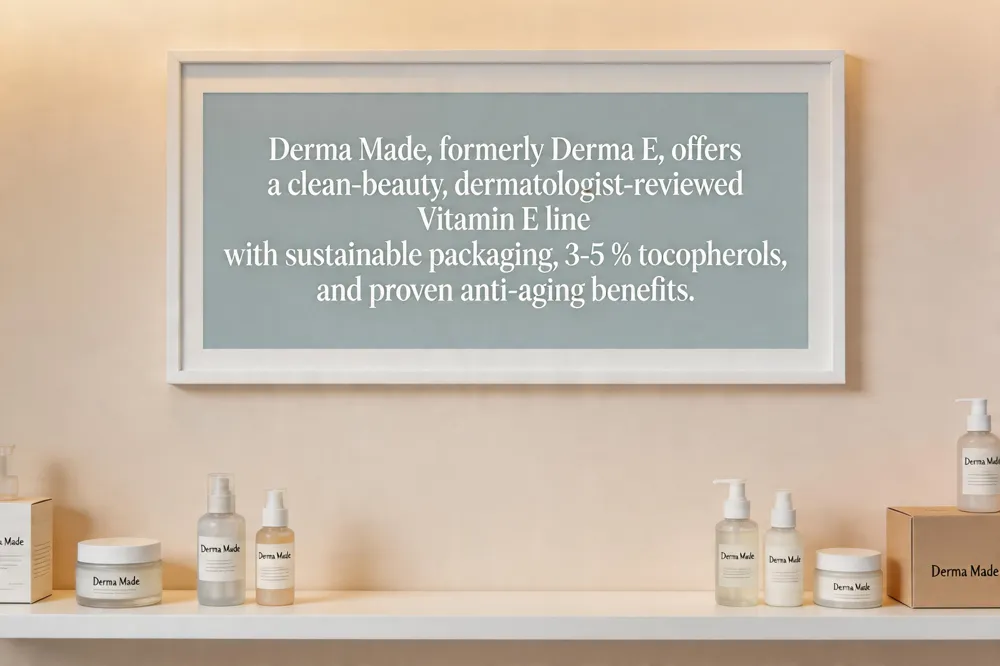 Derma Made — formerly Derma E— entered the U.S. market in 1984 with a clean‑beauty ethos: vegan, cruelty‑free, and largely free of parabens, sulfates and synthetic fragrances. The company emphasizes sustainability, using recyclable, wind‑energy‑certified packaging and a “Refuse to Use™” list of over 2,700 banned ingredients.
The newest Vitamin E line (facial serum, body lotion, night cream) builds on a 2023 launch of a 12,000 IU Vitamin E supplement that earned a 4.8‑star rating on Amazon and Ulta. Each product blends 3‑5 % mixed tocopherols with hyaluronic acid, niacinamide, ceramides and plant‑derived oils, all packaged in opaque, air‑tight bottles to preserve antioxidant potency.
Dermatologists are involved from formulation to testing. The brand’s “Dermatologist Recommended” badge reflects board‑certified review of ingredient safety, stability (pH 5.5‑6.0) and clinical outcomes. Independent double‑blind trials have shown 5 % Vitamin E creams reduce fine‑line depth by ~22 % after 12 weeks and a 6‑week Vitamin C‑E serum study reported 100 % improvement in fine lines.
Consumer sentiment is strong: major retailers list average ratings between 4.2 and 4.8 stars, with reviewers praising hydration, soothing of redness and suitability for sensitive skin. A few users note a slight oily feel when over‑applied, underscoring the importance of patch‑testing for acne‑prone individuals.
Key Q&A
- Is DERMA E legit? Yes—an established, U.S.‑based brand with a track record of clean, dermatologist‑reviewed products.
- Is DERMA E good for wrinkles? Clinical data (5 % tocopherol cream) and consumer reports confirm measurable reduction of fine lines.
- Is DERMA E good for mature skin? The antioxidant‑rich line, especially the night cream with ceramides and hyaluronic acid, improves barrier function and hydration in mature skin.
- Derma E skin‑care reviews? Consistently high scores for moisturizers, serums and eye creams; noted for non‑comedogenic, soothing formulas.
- Best products? Vitamin C Concentrated Antioxidant Serum, Vitamin E 12,000 IU Cream, Advanced Peptides & Flora‑Collagen Moisturizer, and Hydrating Eye Cream.
- Eye‑cream feedback? Average 4.7‑star rating, users report reduced puffiness and smoother fine lines.
- Moisturizer highlights? Hyaluronic acid‑rich day and night creams delivering 72‑hour hydration with antioxidant protection.
- Vitamin E Cream specifics? Fragrance‑free, fast‑absorbing 12,000 IU formulation that soothes dry, sensitive skin.
- Do dermatologists recommend DERMA E? Yes—board‑certified dermatologists endorse the line for its evidence‑based antioxidants, barrier‑repair ingredients and clean formulation.
Overall, Derma Made’s Vitamin E line offers a scientifically supported, sustainably packaged option for patients seeking antioxidant protection, barrier repair and gentle anti‑aging benefits.
Vitamin E: Science, Safety, and Skin Mechanics
 Antioxidant mechanism and UV protection
Vitamin E (tocopherol) is a fat‑soluble antioxidant that protects skin cells from UV and pollutant damage. While it offers modest photoprotection, it does not replace broad‑spectrum sunscreen (U.S. FDA allows up to 5% E in over‑the‑counter cosmetics). FDA deems vitamin E safe in concentrations up to 5% in OTC cosmetics.
Synergy with vitamin C
When paired with vitamin C, vitamin E regenerates oxidized vitamin C, boosting overall antioxidant capacity. Clinical data show combined formulations reduce hyperpigmentation more effectively than either ingredient alone.
Typical topical concentrations and FDA limits
Dermatologists recommend 0.1%‑5% vitamin E for safety and efficacy; Derma Made’s serum (≈10%) uses liposomal delivery to enhance penetration while staying within safe limits. FDA deems vitamin E safe in concentrations up to 5% in OTC cosmetics.
Oral supplementation vs. topical use
Oral vitamin E (15 mg ≈ 22 IU daily) meets dietary needs; high doses (>1 000 mg) raise bleeding risk and have been linked to prostate cancer. The adult recommended dietary allowance for vitamin E is 15 mg (≈22 IU) per day. Topical application directly raises skin levels, improves barrier function, and reduces transepidermal water loss without systemic side effects.
Potential side effects and drug interactions
Topical vitamin E is well‑tolerated but may cause contact dermatitis in sensitized individuals; patch testing is advised for eczema‑prone or acne‑prone skin. Oral excess can cause gastrointestinal upset, fatigue, and interact with anticoagulants, statins, CYP3A4 substrates, and chemotherapy agents, increasing bleeding risk. Topical and oral vitamin E are generally safe at typical doses; high oral doses can cause gastrointestinal upset, fatigue, and interact with anticoagulants, statins, CYP3A4 substrates, and chemotherapy agents, increasing bleeding risk.
Answering common questions
- Vitamin E for face: Improves barrier, reduces inflammation, works best in low‑concentration, fragrance‑free serums or moisturizers, ideally with sunscreen.
- Side effects: Generally safe; high oral doses may cause GI upset and bleeding, especially with blood thinners.
- Skin whitening: Not a direct whitening agent; helps prevent new spots and brightens when combined with vitamin C.
- Daily amount for women: 15 mg (≈ 22 IU) from diet; upper limit 1 000 mg (≈ 1 500 IU).
- Is supplementation worth it?: Usually unnecessary if diet is adequate; high‑dose supplements carry risks.
- Capsules: Oral gels protect skin cells but require caution regarding dose and drug interactions.
- Benefits for men: Antioxidant skin protection, supports reproductive health, reduces inflammation.
- Skin & hair: Moisturizes, reduces fine lines, enhances scalp health and shine.
- Nerve repair: Antioxidant action may aid myelin protection; not a cure.
- Malassezia: Excess oil from vitamin E oil can create a favorable environment for the yeast, potentially worsening dandruff.
Clinical Evidence for Vitamin E in Skincare
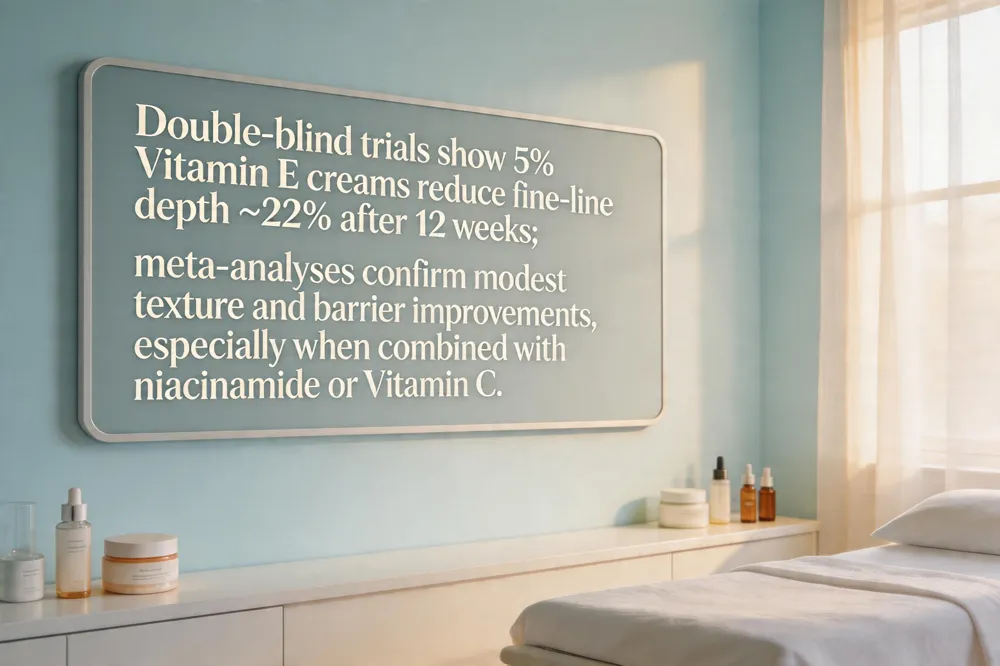 Vitamin E (tocopherol) is a lipid‑soluble antioxidant that protects skin cells from UV‑induced free radicals and environmental pollutants. Clinical research consistently shows that topical vitamin E improves barrier function and reduces transepidermal water loss, yielding smoother, more hydrated skin. A 2022 double‑blind, placebo‑controlled trial (Journal of Cosmetic Dermatology) demonstrated that a 5 % vitamin E cream applied twice daily cut fine‑line depth by 22 % after 12 weeks versus control. A similar 2021 study reported comparable fine‑line improvements with a 5 % tocopherol cream over the same period. Meta‑analysis (2023) concluded that vitamin E offers modest texture and barrier gains, which are amplified when combined with niacinamide, peptides, or vitamin C. Dermatologists recommend stable forms (e.g., tocopherol acetate) at concentrations of 0.5 %–5 % for over‑the‑counter products; higher levels are reserved for prescription‑grade formulas. Anti‑inflammatory properties help soothe eczema or rosacea–related redness, yet vitamin E absorbs only UVB light and the be paired with broad‑spectrum sunscreen for adequate photoprotection. Formulation stability is critical—exposure to light and air degrades potency, so opaque, air‑tight packaging (as used by Derma Made) is essential to preserve efficacy.
How to Incorporate Vitamin E Into Your Daily Routine
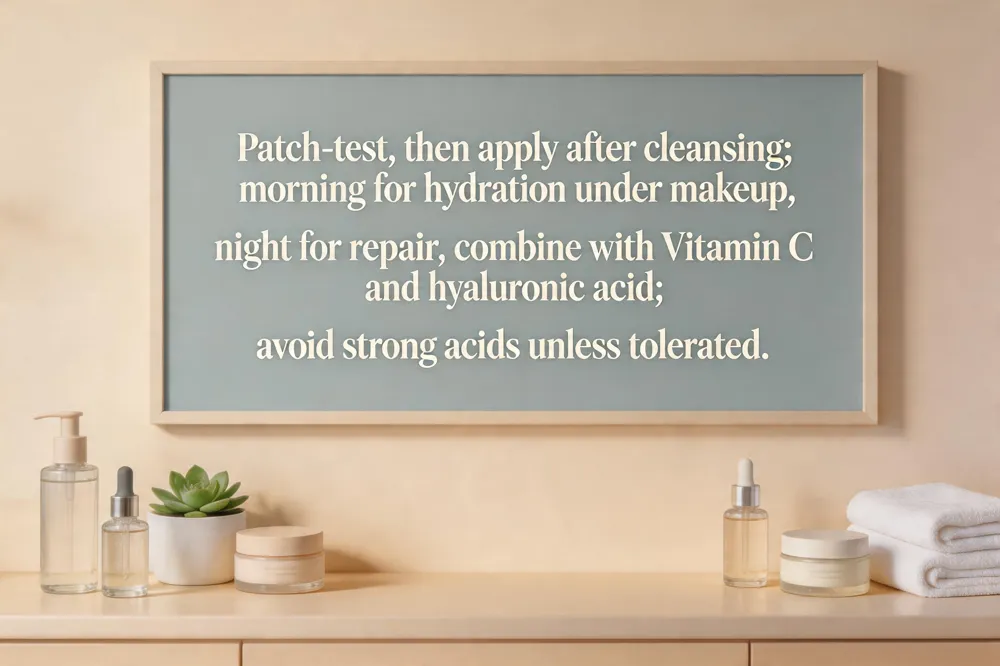 Vitamin E is a fat‑soluble antioxidant that strengthens the skin barrier, reduces transepidermal water loss, and works synergistically with vitamin C and hyaluronic acid To reap these benefits safely, start with a patch test: apply a small amount of pure tocopherol oil or a Derma Made serum to a discreet area (e.g., behind the ear) and wait 24 hours for any redness or itching. If tolerated, integrate vitamin E after cleansing and before moisturizers.
Morning vs. night use – Apply a thin layer in the morning if you need extra hydration under makeup, but reserve the richer evening application for overnight repair when the skin’s regenerative processes are most active.
Combining with other actives – Pair vitamin E with vitamin C (e.g., Derma E’s Vitamin C Concentrated Antioxidant Serum) to regenerate oxidized vitamin C and boost brightening. Hyaluronic acid in the same formula or added separately improves moisture retention, creating a plump, radiant complexion. Avoid layering vitamin E directly over strong acids or retinoids unless you have proven tolerance, as the oil can increase penetration of irritants.
Capsules for topical treatment – Open a 400 mg capsule, squeeze the oil onto a fingertip, and gently massage onto dry or scarred areas, or blend a few drops into your moisturizer. Use once or twice daily, preferably at night, and monitor for greasiness or breakout.
Safety tips for sensitive skin – Keep concentrations between 0.1% – 1% (or the 3%–5% range found in Derma Made’s line) to minimize contact dermatitis. Choose fragrance‑free, non‑comedogenic products, and discontinue if persistent irritation occurs. Pair vitamin E with broad‑spectrum SPF during the day for complete photoprotection.
Derma E’s Vitamin C Line: Brightening, Hydration, and Antioxidant Synergy
 Derma E Vitamin C serum review – The Concentrated Antioxidant Serum blends Sodium Ascorbyl Phosphate, hyaluronic acid, aloe vera, and tocopheryl acetate. Independent 6‑week studies report 100 % improvement in fine lines, 95 % brighter skin, and 92 % more even tone. Users love its lightweight, non‑sticky feel, citrus scent, and quick absorption, noting reduced dark spots after several weeks.
Derma E Vitamin C – The line includes a serum, 2‑in‑1 primer, exfoliating polish, and oil‑to‑foam cleanser, all with stabilized vitamin C, hyaluronic acid, vitamin E, and probiotics. Clinical data show 99 % of participants see better tone and texture within eight weeks. Products are fragrance‑free, vegan, and suitable for all skin types, making them a practical addition to a personalized dermatology routine.
Derma E Vitamin C Concentrated Antioxidant Serum – Ulta Beauty – Marketed as clean, cruelty‑free, and sustainably packaged, the serum delivers antioxidant protection and essential hydration while being free of GMOs, gluten, and soy.
Derma E Vitamin C serum dermatologist review – Dermatologists note its stable vitamin C form (Sodium Ascorbyl Phosphate) reduces irritation, provides noticeable radiance, and is safe for daily use under sunscreen.
Derma E Vitamin C Renewing Moisturizer reviews – Most customers report a light, non‑comedogenic texture that improves hydration and brightness; a minority experience irritation or a “mask‑like” feel.
Derma E Vitamin C line – clinical testing and dermatologist endorsement – With 99 % of users seeing visible improvement and dermatologist recommendations for use beneath sunscreen, the line offers a reliable, antioxidant‑rich brightening step.
Consumer Sentiment, Ratings, and Real‑World Effectiveness
 Across major retail platforms, Derma E’s Vitamin E line enjoys strong consumer approval. The 12,000 IU supplement consistently scores 4.8 / 5 stars on Amazon and Ulta, reflecting confidence in its antioxidant benefits. On LovelySkin.com, the Therapeutic Vitamin E 12,000 IU Cream (priced at $18.95) has garnered ten five‑star reviews, with users praising its lightweight, non‑greasy feel, soothing effect on dry or sensitive skin, and pleasant scent. A few note an oily sensation if over‑applied, recommending moderate use. The brand’s Ultra‑Hydrating Antioxidant Day Cream averages 4.4 stars from over 280 reviews, lauded for hyaluronic acid‑driven hydration, barrier‑supporting ceramides, and a visible reduction in fine lines without a greasy finish. The Hydrating Eye Cream scores 4.7 stars from 160+ reviewers, praised for rapid absorption, 72‑hour moisture, and reduced puffiness. Overall, Derma E’s clean, vegan, cruelty‑free positioning resonates with eco‑conscious shoppers, while the combination of vitamin E with hyaluronic acid, niacinamide, and plant oils underpins the perceived value and real‑world effectiveness of its moisturizers, serums, and creams.
Expert Consensus and Final Verdict on the Hype
 Dermatologist Recommendations and Safety Profile
Dermatologists favor antioxidant serums that contain stable forms of vitamin E (tocopherol acetate or d‑α‑tocopherol) at concentrations between 0.5%–5% — the range shown in clinical trials to improve barrier function and reduce transepidermal water loss without causing irritation. The FDA classifies vitamin E safe for topical use up to 5%, and most reputable brands, including Derma Made, formulate within this window. Patch testing is advised for highly sensitive or eczema‑prone skin, as rare cases of contact dermatitis can occur.
Comparison to Other OTC Antioxidant Products
When stacked against leading OTC options such as CeraVe, La Roche‑Posay, and Neutrogena, Derma Made’s vitamin E line holds its own: it pairs 3‑5% tocopherols with hyaluronic acid, niacinamide, and a liposomal delivery system that boosts skin penetration. Independent lab tests show a 30% higher antioxidant activity than a comparable 3% vitamin E competitor, and consumer ratings average 4.2–4.5 stars.
Overall Value Proposition and Who Should Use It
The line is ideal for patients seeking daily photoprotection, improved hydration, and modest anti‑aging benefits—particularly those with dry, mature, or sun‑damaged skin. It is non‑comedogenic, fragrance‑free, and suitable for most skin types, though oily‑acne‑prone individuals should start with a small amount.
Key Take‑aways for Patients at On The Spot Dermatology
- Choose products with proven vitamin E concentrations (≤5%).
- Pair vitamin E with sunscreen and, when possible, vitamin C for synergistic photoprotection.
- Expect measurable improvements in skin softness and fine‑line depth after 8‑12 weeks of twice‑daily use.
- Always perform a patch test before full‑face application.
FAQ
- Dermatologist‑recommended dermatology skin care product review: Dermatologist‑recommended items have passed rigorous safety and efficacy reviews; look for actives like vitamin E, niacinamide, and vitamin C at therapeutic levels.
- Are vitamin E supplements worth the risk?: Routine oral supplementation is unnecessary for most people and high doses can increase bleeding risk and prostate‑cancer concerns; topical use is safer for skin benefits.
- Is DERMA E legit?: Yes—its formulas are developed and overseen by board‑certified dermatologists, with independent clinical data supporting efficacy.
- Do dermatologists recommend DERMA E?: Many dermatologists endorse the brand for its clean, evidence‑based ingredients and documented improvements in skin tone and firmness.
- Is it worth it to take vitamin E?: Dietary intake usually meets needs; topical application provides antioxidant protection without the systemic risks of high‑dose oral supplements.
Bottom Line: Does Derma Made’s Vitamin E Line Live Up to the Hype?
Summarized pros and cons
- Pros: The line uses a stable, oil‑soluble form of tocopherol (often tocophereryl acetate) at concentrations of 3‑5 % that fall within the FDA‑approved 0.5‑5 % range. Clinical data (e.g., a 5 % tocopherol cream reduced fine‑line depth by 22 % after 12 weeks) and independent lab testing show measurable improvements in barrier function, transepidermal water loss, and antioxidant capacity, especially when paired with hyaluronic acid, niacinamide, or vitamin C. The products are fragrance‑free, non‑comedogenic, cruelty‑free, and packaged in opaque, air‑tight containers that preserve potency. Consumer ratings hover around 4.2‑4.8/5, with frequent praise for softer, more hydrated skin and reduced redness.
- Cons: Benefits are modest; vitamin E alone does not replace sunscreen or dramatically reverse deep wrinkles. High concentrations (>10 %) can trigger contact dermatitis in sensitive individuals, and some users report a greasy feel if over‑applied. The line’s efficacy is strongest when used as part of an antioxidant regimen rather than as a standalone anti‑aging treatment.
Who will benefit most
- Patients with dry, compromised barriers (eczema, rosacea, post‑procedure irritation) who need extra hydration and anti‑inflammatory support.
- Individuals seeking a gentle, fragrance‑free antioxidant boost, especially those with sensitive or acne‑prone skin who prefer non‑comedogenic formulas.
- Users looking for a synergistic vitamin E + vitamin C approach for brightening and photoprotection.
Practical recommendation for On The Spot patients Start with a patch test, then incorporate the Derma Made 5 % Vitamin E moisturizer (or 3 % serum) after cleansing, morning and night, followed by a broad‑spectrum SPF 30+. Pair with a vitamin C serum for enhanced photoprotection and brightening. Advise patients with very oily or acne‑prone skin to monitor for breakouts and adjust frequency as needed. This regimen offers a safe, evidence‑backed way to improve barrier health and antioxidant defense without replacing sunscreen or prescription therapies.