The Label Trap
The Allure of 'Natural' and Its Pitfalls
The word 'natural' on a skincare label sounds reassuring, but its meaning is far from guaranteed. A significant disconnect exists: while 99% of consumers are willing to invest in quality skincare, only 21% fully understand the ingredients in their products. This knowledge gap makes many vulnerable to appealing, yet unsubstantiated, marketing claims.
The U.S. Food and Drug Administration (FDA) has not established a legal definition for terms like 'natural' or 'clean' on cosmetic labels, nor does it require pre-market approval. This regulatory gap means a product can be labeled 'natural' even if it contains primarily synthetic ingredients and up to 70,000 crushed beetles for coloring. Similarly, 'hypoallergenic' lacks a standardized meaning; it simply indicates a company's promise, not a guarantee for sensitive skin.
A Step Beyond Buzzwords
In contrast, Derma Made was developed by board-certified dermatologists to offer a science-backed alternative. Active ingredients—not marketing terms—are displayed prominently on its labels. Consider the difference: a 'natural' moisturizer might rely on aloe vera, which hydrates superficially, while a dermatologist-formulated one uses hyaluronic acid, which can hold 1,000 times its weight in water for deeper hydration.
Choosing a product from a dermatology practice like On The Spot Dermatology provides access to formulations built on peer-reviewed research, not consumer trends. This ensures the product’s efficacy is validated by experts, not vague promises.
Key Facts: Skincare Label Reading & Derma Made Basics
- The FDA does not define or regulate the term 'natural' for cosmetics, allowing products with synthetic ingredients to legally use it.
- A 2023 study found over 94% of 'all-natural' products contained agents known to trigger contact dermatitis, debunking 'natural equals safe'.
- Derma Made is physician-dispensed, co-founded by a board-certified dermatologist, using transparent active ingredients and proven science.
- Ingredients on labels are listed using INCI standardized names, not marketing terms; for example, Vitamin C is 'Ascorbic Acid'.
- Fragrance (listed as 'parfum' or essential oils) is a top cause of skin reactions; choose 'fragrance-free' over 'unscented'.
- The USDA Organic seal (95% organic) and Ecocert are real certifications, unlike the unregulated buzzwords 'natural' and 'clean'.
- Derma Made products have 5-star ratings and a 100-day money-back guarantee, targeting specific concerns like acne and aging.
- A safe routine uses mineral SPF 50 (zinc oxide/titanium dioxide) and avoids parabens, phthalates, and sulfates (SLS/SLES).
- Always patch test new products on a discreet area for 24-48 hours, even natural ones, as ingredients like essential oils can cause reactions.
- Ceramides and hyaluronic acid are key for barrier repair and hydration, unlike drying denatured alcohol or synthetic fragrances.
1. The Myth of the Unregulated ‘Natural’ Claim
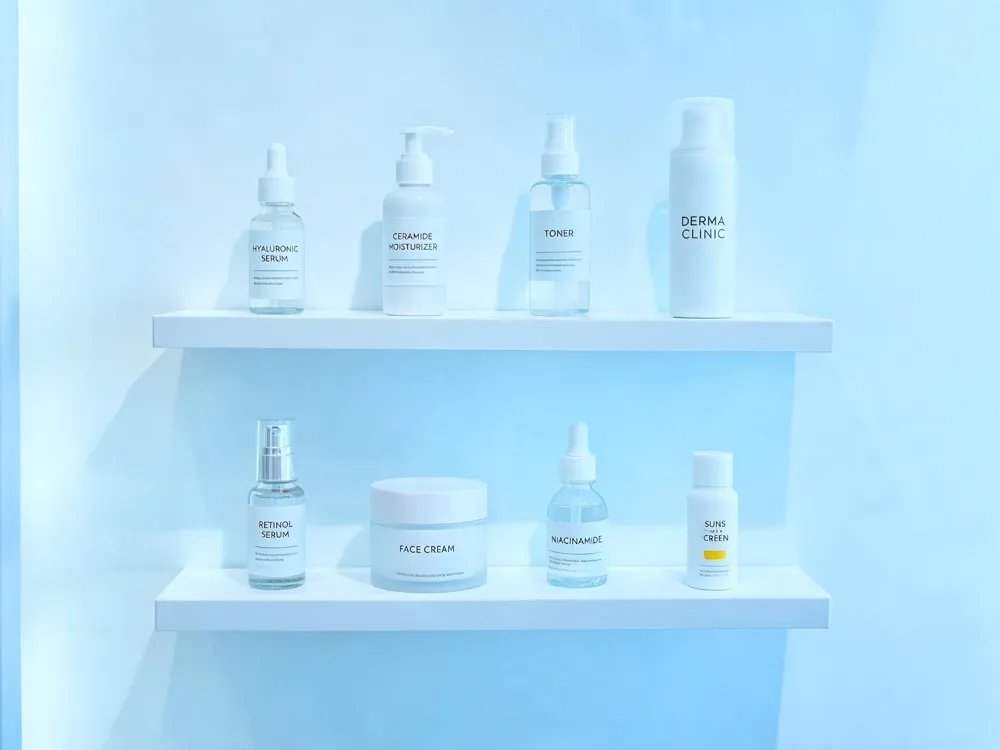 In the world of skincare, the word 'natural' carries a powerful allure, often implying safety, gentleness, and purity. However, this claim is largely a marketing tool, not a regulated standard. Understanding this is the first step toward making informed choices for your skin’s health.
What are the FDA labeling requirements for skincare products?
The U.S. Food and Drug Administration (FDA) has strict labeling rules, but they do not define or regulate the term 'natural.' According to federal regulations (21 CFR Part 701), skincare labels must include a list of ingredients in descending order of concentration, the net quantity of contents, and the manufacturer's information. While the FDA prohibits false or misleading labels, 'natural' operates in a gray area where any product with a few plant-derived ingredients can legally use the term, even if it contains up to 30% synthetic components. This lack of a legal standard means brands can use earthy colors and plant imagery as a greenwashing tactic to appear more wholesome than the formula actually is.
Are natural ingredients always safe for the skin?
Beyond the regulatory loophole, the assumption that 'natural' equals 'safe' is a common misconception. A 2023 study found that over 94% of products marketed as 'all-natural' contained agents known to trigger contact dermatitis—an itchy, sometimes painful rash. The reality is that natural ingredients can be potent irritants. Essential oils, citrus extracts, and cinnamon are common allergens that can cause redness and inflammation. Similarly, poison ivy is 100% organic and natural, yet it is notoriously dangerous for the skin. This highlights a critical point: safety depends on a product’s formulation and testing, not on whether an ingredient comes from a plant or a lab. For those with sensitive or reactive skin, a 'natural' label provides no guarantee of tolerance, making it far more important to focus on clinically-tested, dermatologist-developed formulas. By looking beyond the buzzword and examining the ingredients themselves, you can choose a routine that is not only effective but also truly suited to your skin's unique needs.
2. Synthetic vs. Natural: The Performance and Safety Reality Check
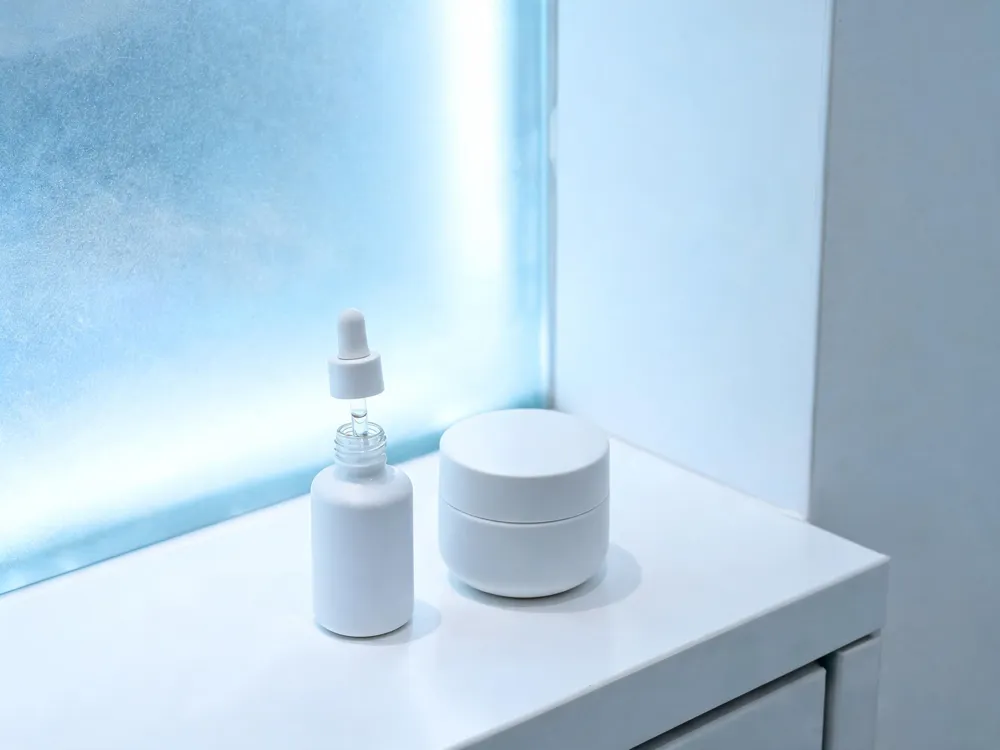 Derma Made is a physician-dispensed medical-grade skincare brand co-founded by board-certified dermatologist Dr. Amy Brodsky. It offers dermatologist-formulated products with transparent active ingredients, including cleansers, acid peels, serums, moisturizers, and SPF. The brand is recommended by dermatologists and provides targeted solutions for acne, rosacea, melasma, and aging.
Decoding skincare labels is essential for choosing the right products. Many consumers rely on buzzwords like "natural," "hypoallergenic," or "dermatologist-tested," but these terms can be misleading. Understanding active ingredients better helps bridge the skincare knowledge gap. It's important to know what "non-comedogenic" really means and why dermatologist-made products matter. Demanding ingredient transparency is key to evidence-based skincare.
Resources from the FDA explain cosmetics labeling requirements, including ingredient listing order and warning statements. The truth about 'natural' claims is that the FDA does not define the term for cosmetics. Similarly, "hypoallergenic" can be misleading because it lacks scientific rigor. "Clinically proven" claims may also be problematic. The problem with such claims is that they are not strictly regulated. Patch testing new skincare products is recommended, and when to consult a dermatologist is important for managing skin concerns.
Natural vs. synthetic ingredients both have advantages and drawbacks. Natural skincare ingredients like aloe vera, sugar, and chamomile extract are popular, but synthetic counterparts like hyaluronic acid and salicylic acid may be more effective or stable. The environmental cost of natural cosmetic ingredients can be high, and biotechnology is transforming the industry with sustainable alternatives. The clean skincare movement emphasizes minimal, safe ingredients, but the shocking number of daily chemicals in cosmetics raises concerns.
Derma Made's products are backed by science and recommended by dermatologists. The brand's Anti-Aging Protocol includes clinically proven ingredients like retinol and vitamin C. Other products like the TXA Serum and AHA+BHA Peel Pads target dark spots. Derma Made's commitment to clean skincare is evident in its minimal-ingredient formulations.
In summary, understanding skincare labels and ingredients empowers consumers to make informed choices. Choosing skincare backed by dermatologists ensures safety and efficacy.
How Can I Actually Read a Skincare Ingredient Label?
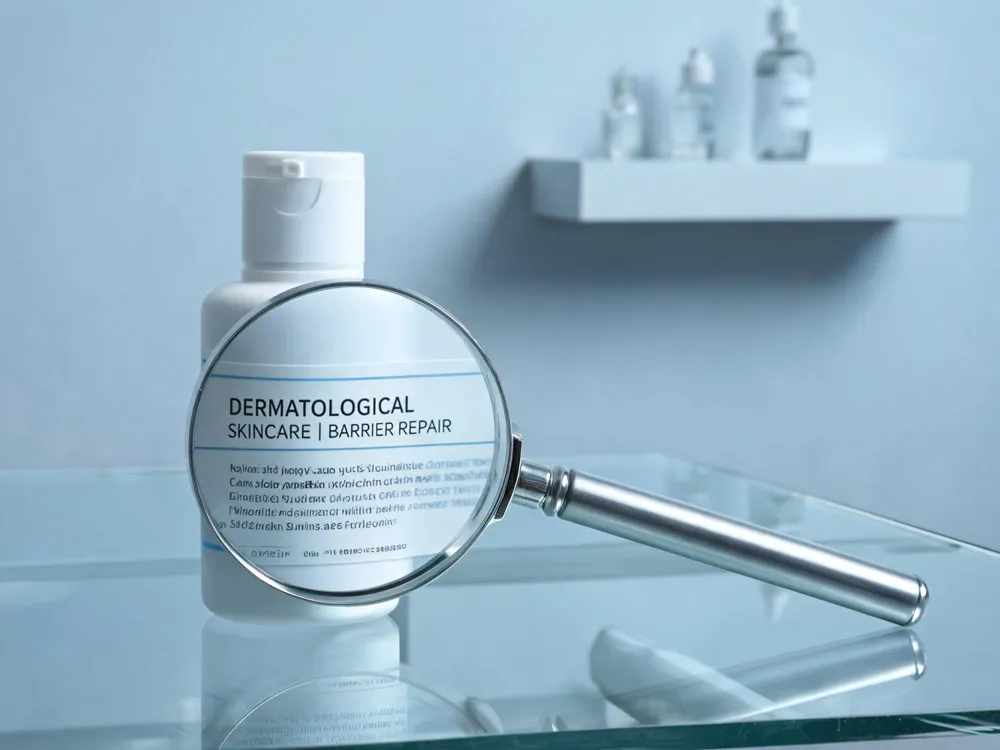
Learn the INCI Names
Ingredients use standardized scientific names called INCI (International Nomenclature of Cosmetic Ingredients). Learning a few common ones helps you cut through marketing language:
| Common Name | INCI Name | What It Does |
|---|---|---|
| Vitamin C | Ascorbic Acid | Brightens skin and fights free radicals |
| Hyaluronic Acid | Sodium Hyaluronate | Holds 1,000x its weight in water for hydration |
| Vitamin B3 | Niacinamide | Reduces inflammation, strengthens barrier |
| Vitamin A (Retinol) | Retinol | Stimulates collagen and reduces fine lines |
Beware of Hidden Irritants
Fragrance is a top cause of skin reactions and can appear as "parfum" or be hidden in essential oils (like peppermint or tea tree). Denatured alcohol (alcohol denat.) can be drying and irritating for sensitive skin. Watch for parabens and phthalates, which may be linked to health concerns. Phthalates are often hidden under the single term "fragrance."
Don’t Fall for Buzzwords
Terms like "natural" and "clean" are not regulated by the FDA. They are marketing claims, not quality guarantees. Look for real certifications: a USDA Organic seal means at least 95% organic ingredients; Ecocert verifies organic and natural content globally. A product labeled "dermatologist-developed" or "physician-dispensed" often indicates more rigorous formulation standards than a vague "natural" claim.
Practical Checks: PAO, Fragrance-Free, and Patch Tests
Look for the Period After Opening (PAO) symbol (e.g., "12M") to know when to toss the product. Choose fragrance-free over "unscented"—unscented products may still contain masking fragrances that cause irritation. Finally, always patch test new products: apply a small amount to a discreet area and wait 24-48 hours. This simple step can save your skin from a full-blown reaction.
What Makes Derma Made Different – and Why It Works
What are Derma Made products and are they good for your skin?
Derma Made is a science-backed skincare line co-founded by board-certified dermatologist Dr. Amy Brodsky. Her clinical experience and background in biomedical engineering ensure that every product is built on proven science, not marketing hype. This expertise is the direct reason Derma Made works: it replaces vague 'natural' claims with precise, evidence-based formulations. The result is a brand that targets real skin concerns like dryness, aging, dark spots, and irritation effectively.
The brand is transparent about what matters. Active ingredients are listed clearly on the front label, not buried in fine print. This contrasts sharply with unregulated terms like 'hypoallergenic' or 'clinically proven'. For instance, the Ceramide Barrier Cream is a fragrance-free, non-comedogenic formula that strengthens the skin barrier with ceramides and hyaluronic acid, making it ideal for dry or mature skin. This approach means Derma Made products are generally a good choice for your skin, provided you select the right formula for your needs.
What are the benefits of using Derma Made?
Derma Made offers targeted protocols for specific concerns, all of which hold a 5-star rating from over 170 reviews. These include protocols for acne, anti-aging, melasma, and rosacea. The benefits are concrete: smoothing lines and wrinkles, reducing sagging, fading dark spots, and supporting post-procedure recovery. The brand is also affordable and accessible, priced lower than many department store lines while maintaining physician-dispensed quality. This combination of targeted efficacy, professional trust, and value is a direct result of its dermatologist-developed foundation.
Customer confidence is further backed by a 100-day money-back guarantee. Whether for everyday care or advanced skincare, Derma Made provides high-quality, clinically formulated solutions for healthier, more radiant skin.
What specific Derma Made products are available and how are they reviewed?
Derma Made offers a comprehensive range, including cleansers like the 5-star rated Medi Wash, treatments such as the Antioxidant C Serum+ and TXA Serum (both 5 stars), and moisturizers like Growth Factor Cream (4.5 stars). Key science-backed ingredients include retinol paired with bakuchiol for gentle anti-aging, stable L-ascorbic acid (vitamin C), tranexamic acid for pigmentation, and ceramides for barrier repair. The retinol + bakuchiol serums are available in strengths from 0.25% to 1%, balancing efficacy and tolerability.
| Product | Category | Rating | Key Benefit |
|---|---|---|---|
| Medi Wash | Cleanser | 5/5 | Targets acne, rosacea; sulfur + salicylic acid |
| Antioxidant C Serum+ | Treatment | 5/5 | Brightens complexion, fights free radicals |
| TXA Serum | Treatment | 5/5 | Fades dark spots, pigmentation |
| Ceramide Barrier Cream | Moisturizer | 4/5 | Restores barrier, hydrates dry skin |
| Retinol + Bakuchiol 0.5% | Serum | 4/5 | Smoothes wrinkles, refines texture |
Overall, customer feedback is consistently positive, highlighting effectiveness for dark spots, anti-aging, and barrier repair. Most products earn between 4.5 and 5 stars, reflecting a high level of user satisfaction with honest, dermatologist-driven formulations.
Your Simple Guide to a Safer, Smarter Skincare Routine
What is a good non-toxic or all-natural skincare routine?
Building a skincare routine that is both safe and effective means looking beyond marketing buzzwords like "natural" or "non-toxic," which lack FDA regulation. Instead, focus on products with proven, high-quality ingredients and simple formulations. Here is a step-by-step guide to creating a routine you can trust.
Step 1: Start with a Gentle Cleanser
Begin with a gentle, fragrance-free cleanser to remove dirt and makeup without stripping your skin’s natural barrier. A product like the Derma Made Light Foaming Cleanser is a great example, as it avoids harsh sulfates that can cause irritation. For acne- or rosacea-prone skin, consider a medicated wash with sulfur and salicylic acid, such as Derma Made Medi Wash.
Step 2: Apply a Targeted Serum
Next, use a serum with active ingredients proven to address your specific concerns. In the morning, a vitamin C serum (containing L-ascorbic acid) provides antioxidant protection and brightens skin. In the evening, a retinol serum is the gold standard for anti-aging, promoting cell turnover. For sensitive skin, a retinol + bakuchiol formula, like Derma Made’s, reduces irritation while delivering results.
Step 3: Moisturize with Barrier-Supporting Ingredients
A good moisturizer reinforces your skin’s protective barrier. Look for ingredients like ceramides, which restore barrier function, and hyaluronic acid for intense hydration. The Derma Made Ceramide Barrier Cream is an excellent choice—it is fragrance-free and non-comedogenic, making it suitable for even sensitive and acne-prone skin.
Step 4: Protect with Mineral SPF 50
Sunscreen is non-negotiable. About 80% of visible skin aging is due to sun damage. Use a 100% mineral SPF 50, like the Derma Made Sheer or Tinted SPF 50 moisturizer, which protects against both UVA and UVB rays without the chemical filters often found in lower-quality sunscreens.
Step 5: What to Avoid
To keep your routine truly safe, avoid products containing parabens, phthalates, SLS/SLES, and synthetic fragrances. These ingredients may be hidden under terms like "parfum" and can cause irritation or disrupt hormones. Be wary of unregulated buzzwords like "clean" or "all-natural." Instead, check the ingredient list and look for certifications like the USDA Organic seal for verified quality.
Step 6: Always Patch Test and Consult a Professional
Always patch test a new product by applying a small amount to a discreet area and monitoring for 24-48 hours. This is crucial even with products labeled "natural," as natural ingredients like essential oils can cause allergic reactions. For persistent issues such as acne, rosacea, or hyperpigmentation, consulting a board-certified dermatologist, like the team at On The Spot Dermatology in Glenview, Illinois, is the best step toward personalized, expert care.
| Step | Product Focus | Key Ingredients to Look For | Avoid This |
|---|---|---|---|
| 1. Cleanse | Gentle, fragrance-free cleanser | Glycerin, ceramides | Sulfates (SLS, SLES), fragrance |
| 2. Treat | Targeted serum (AM/PM) | Vitamin C (AM), retinol/bakuchiol (PM) | Parabens, phthalates |
| 3. Moisturize | Barrier-supporting cream | Ceramides, hyaluronic acid | Synthetic fragrances, drying alcohols |
| 4. Protect | Mineral SPF 50 | Zinc oxide, titanium dioxide | Oxybenzone, octinoxate |
| Always | Patch test & consult a dermatologist | — | Unregulated claims like "clean" or "natural" |
The Bottom Line: Trust Science, Not Buzzwords
The term 'natural' is a marketing tool, not a guarantee of safety or effectiveness. In fact, a 2023 study found that over 94% of products labeled 'all-natural' contained common allergens, while natural essential oils are a frequent cause of contact dermatitis. The lack of an FDA definition for 'natural' allows brands to greenwash products that often contain up to 30% synthetic ingredients or hidden fragrances.
Read Labels, Not Hype
Learning to read ingredient lists is your best defense. Ingredients are listed in descending order of concentration, so check if active ingredients appear early. Vague claims like 'dermatologist-tested' are not regulated, and 'hypoallergenic' has no legal standard. Focus on proven ingredients like retinol, hyaluronic acid, and niacinamide rather than buzzwords.
Derma Made: Science You Can Trust
Derma Made offers a transparent alternative, developed by board-certified dermatologist Dr. Amy Brodsky. Unlike vague 'natural' products, Derma Made displays concentrated active ingredients like retinol + bakuchiol and stabilized vitamin C right on the label, with evidence-based formulations and a 100-day money-back guarantee.
Your Next Step for Healthy Skin
For personalized, science-backed skincare, visit On The Spot Dermatology in Glenview, Illinois, or use the Derma Made provider locator online. Your skin deserves products formulated with expertise, not marketing. Invest wisely by reading labels critically and choosing proven, dermatologist-developed solutions.