Understanding PRP and Its Rising Popularity
Platelet‑rich plasma (PRP) is created by drawing a small amount of a patient’s blood, centrifuging it to concentrate platelets, and then reinjecting the platelet‑rich portion into the skin. Because the product is autologous—derived from the patient’s own blood—it carries a negligible risk of allergic reaction or disease transmission and is considered safe for most healthy adults, except those with clotting disorders or on anticoagulants. The concentrated platelets release growth factors such as PDGF, TGF‑β, and VEGF, which activate fibroblasts, boost type I/III collagen and elastin synthesis, improve micro‑circulation, and enhance hyaluronic‑acid production. These mechanisms translate into tighter, more elastic skin, reduced fine lines, improved texture, and a more even tone. In cosmetic dermatology PRP is used for facial rejuvenation, scar remodeling, hyper‑pigmentation correction, and as an adjunct to microneedling, laser resurfacing, or hyaluronic‑acid fillers to accelerate healing and amplify results.
Beyond Wrinkles: Collagen, Elastin, and Skin Firmness
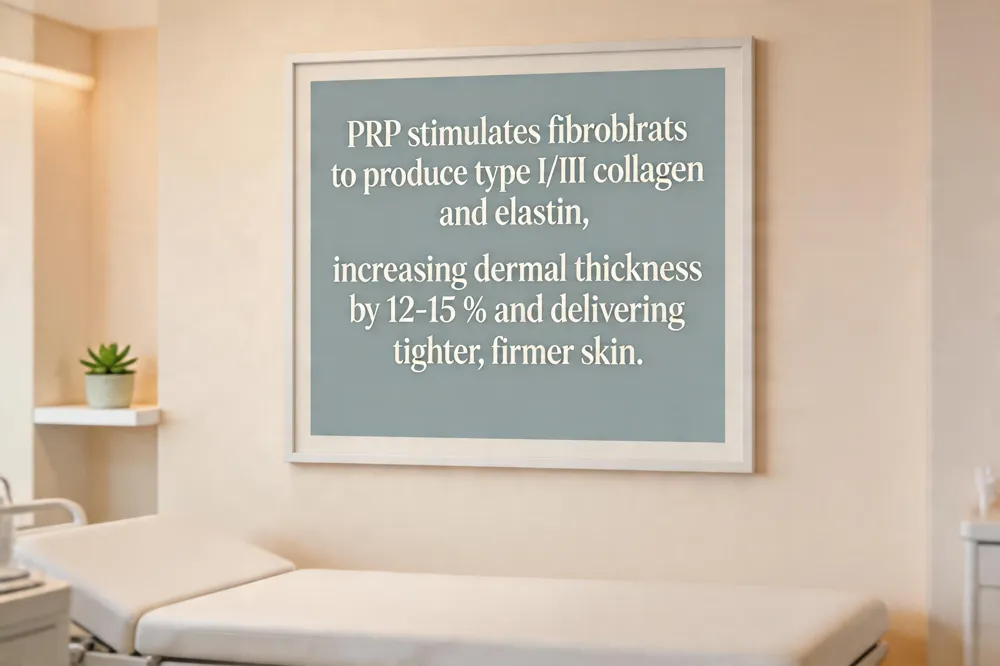 Platelet‑rich plasma (PRP) facial treatments work by delivering a concentrated cocktail of growth factors—PDGF, TGF‑β, VEGF, and EGF—to the dermis. These molecules activate fibroblasts, prompting them to synthesize new type I and III collagen and elastin fibers, which thicken the dermal layer and restore elasticity. Clinical studies report a measurable increase in dermal thickness (12‑15 % after three sessions) and a significant boost in collagen density, translating into tighter, firmer skin and smoother texture. The same growth factors up‑regulate hyaluronic‑acid synthase, improving barrier function and reducing transepidermal water loss, so skin stays hydrated and resilient. Patients typically notice a subtle glow within a month, with progressive reduction of fine lines, wrinkles, and acne‑scar depth over the next 3‑6 months. Because PRP is autologous, the risk of allergic reaction is negligible, and side effects are limited to mild redness, bruising, or swelling that resolve within a few days. Maintenance sessions every 6‑12 months help sustain the collagen‑elastin network and keep the complexion radiant for up to two years.
Hydration, Barrier Function, and Radiance
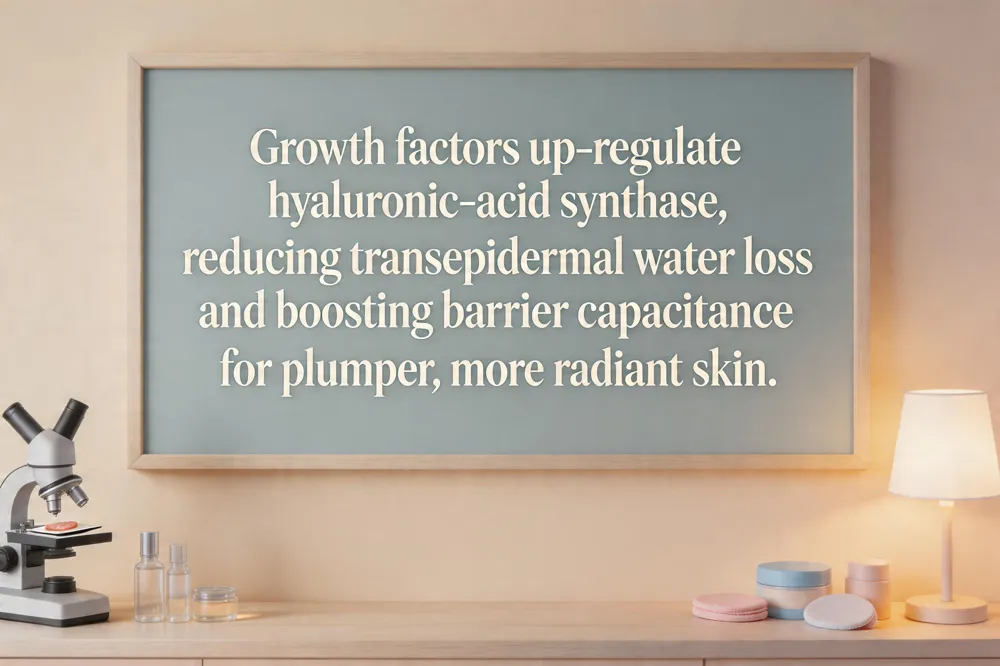 PRP’s growth‑factor cocktail up‑regulates hyaluronic‑acid synthase, boosting the skin’s natural HA content and locking in moisture. Objective measurements (corneometry, transepidermal water loss testing) consistently show reduced TEWL and enhanced barrier capacitance after a series of PRP injections, meaning the skin retains water more efficiently and feels plumper. The same growth factors (PDGF, TGF‑β, VEGF) stimulate angiogenesis, delivering oxygen and nutrients that impart a luminous, “glowing” complexion and even out tone by normalizing melanocyte activity.
PRP treatment for skin cost – In Glenview, Illinois, a single PRP facial rejuvenation session typically costs $500‑$1,500; a full series of three‑to‑four treatments runs $1,500‑$4,000.
PRP treatment for face cost – Nationwide, PRP facials range $300‑$1,500 per session, with total investment $1,000‑$4,000 for a standard 2‑4‑session protocol.
PRP cost – General PRP sessions in the U.S. are $500‑$1,500 each; hair‑restoration protocols often total $2,400 for four sessions, with $600 maintenance thereafter.
How much does PRP cost in Illinois? – Illinois clinics charge $500‑$1,500 per session; a full facial course (3‑4 sessions) totals $1,500‑$6,000, plus any add‑ons.
PRP treatments Glenview Illinois reviews – Patients report noticeable improvements in skin texture, firmness, and hydration within weeks, high satisfaction, minimal downtime, and a brighter, more radiant complexion.
Scar & Pigmentation Repair
 Platelet‑rich plasma (PRP) is increasingly used to remodel acne‑scar tissue and fade pigmented lesions, including melasma. Growth factors such as PDGF, TGF‑β and VEGF activate fibroblasts, increase type I/III collagen, and stimulate elastin, resulting in thicker dermis and tighter, smoother skin. In scarred areas PRP improves collagen density and reorganizes the extracellular matrix, which softens depressions and reduces erythema. For pigmented lesions, PRP modulates melanocyte activity, accelerates turnover of melanin‑laden cells, and enhances hyaluronic‑acid synthesis, leading to a more even tone and diminished brown spots. Clinical photographs typically show before‑and‑after improvements: smoother texture, tighter fine lines, brighter complexion, and a subtle “glow” that can last six to twelve months. Patients report mild transient side effects—redness, swelling, bruising—that resolve within a few days; infection is rare when strict aseptic technique is used. Overall, PRP offers a safe, autologous option for scar and pigment correction, especially when combined with microneedling or hyaluronic‑acid fillers for synergistic results.
Hair Restoration and Complementary Skin Gains
 Platelet‑rich plasma (PRP) therapy for scalp hair loss starts with a small blood draw, centrifugation, and superficial injections of the concentrated plasma into thinning areas. Growth factors such as PDGF, TGF‑β, VEGF, and EGF stimulate dormant follicles, prolong the anagen phase, and increase shaft thickness. Most patients receive 3‑4 initial sessions spaced 4‑6 weeks apart, costing roughly $1,500‑$3,500 total, with maintenance injections ($500‑$1,000) every 6‑12 months. While three sessions can begin the response, optimal and lasting results usually require 4‑6 treatments and periodic upkeep.
Synergy with skin rejuvenation – the same autologous PRP that revives follicles also boosts collagen and elastin production in facial skin, improving texture, firmness, and hydration. When combined with microneedling or hyaluronic‑acid fillers, PRP enhances angiogenesis, barrier function, and scar remodeling, offering a holistic anti‑aging solution.
Treatment protocol – an initial series of three sessions (≈ 8 weeks apart) is common, followed by a maintenance schedule every 6‑12 months. Personalized plans consider scalp condition, age, and skin health.
Best provider in Glenview, IL – The Skin Dermatology offers advanced PRP protocols with board‑certified dermatologists, high‑speed centrifuges, and optional microneedling to maximize both hair density and facial rejuvenation outcomes.
Practical Considerations: Cost, Safety, and Choosing a Provider
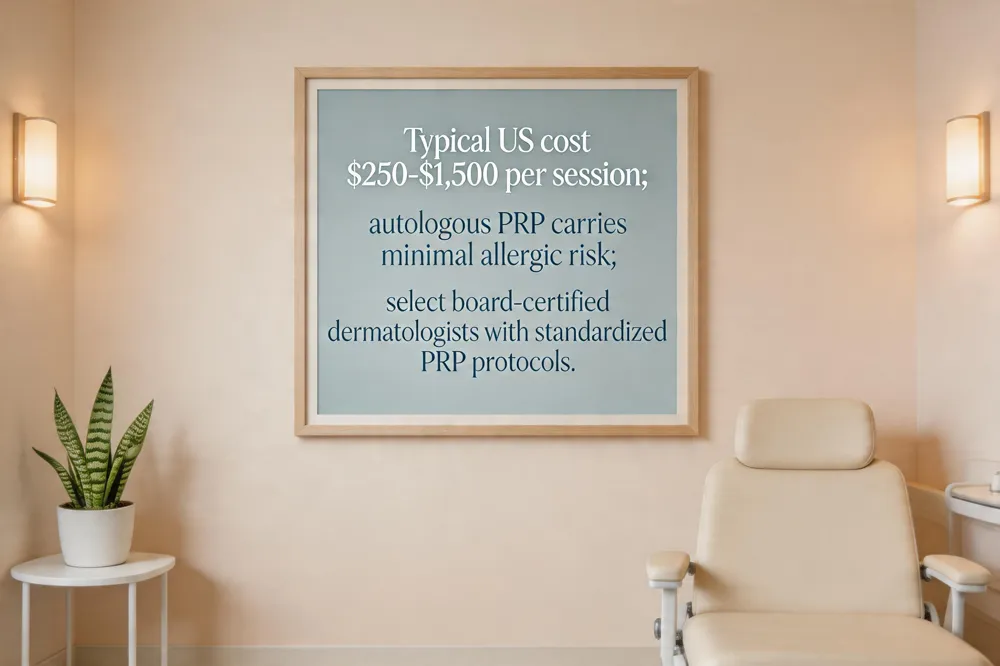 Financial aspects and insurance coverage PRP facial sessions in the United States typically range from $250 to $1,500 per visit, and because the procedure is classified as a cosmetic medical device, most insurance plans do not cover it. Patients often schedule 3‑4 sessions spaced 4–6 weeks apart, with maintenance every 6–12 months, so the total annual out‑of‑pocket cost can exceed $1,000.
Common side effects and contraindications Mild bruising, swelling, redness, and transient pain are the most frequently reported adverse events; severe complications are rare. Contra‑indications include active infections, uncontrolled diabetes, clotting disorders, and use of non‑pausable anticoagulants. The autologous nature of PRP minimizes allergic risk, but a blood draw and centrifugation add procedural steps.
Dermatologist qualifications Only a board‑certified dermatologist or similarly trained physician should perform PRP, as they possess expertise in skin anatomy, sterile technique, and injection protocols. Verify that the practitioner follows standardized PRP preparation methods to ensure consistent platelet concentration.
Treatment frequency and maintenance Initial protocols recommend 1‑3 sessions 4‑6 weeks apart, followed by touch‑ups every 6‑12 months to sustain collagen remodeling and hydration benefits.
FAQs The main downside of PRP is the need for multiple treatments and variable durability of results, which may last 6–12 months. A dermatologist can safely administer PRP, assess contraindications, and tailor the plan. Natural platelet support includes a balanced diet rich in iron, vitamin C, B12, omega‑3s, regular exercise, adequate sleep, and stress management. Compared with Botox, PRP (especially when combined with microneedling) offers broader skin rejuvenation, while Botox excels at targeting dynamic wrinkles. One session can provide a modest boost, but most patients achieve lasting improvement after a series of treatments. Patient reviews consistently note smoother texture and a radiant glow, with high satisfaction rates (>90 %).
Putting PRP to Work for Your Skin and Hair
PRP’s hidden advantages go beyond classic wrinkle‑reduction. Growth factors boost skin hydration by up‑regulating hyaluronic‑acid synthase, tighten pores, improve barrier function, and even calm rosacea flare‑ups. The same platelet‑rich plasma stimulates hair‑follicle stem cells, increasing density and thickness for a fuller look. At On The Spot Dermatology we tailor each protocol: we assess skin type, age, and goals, then decide whether to combine PRP with microneedling, hyaluronic‑acid fillers, or laser resurfacing for synergistic results. Sessions are quick, minimally invasive, and use your own blood, eliminating allergy risk. Ready to discover how a personalized PRP plan can revitalize your complexion and hair? Call our office or book an online consultation today. Follow‑up visits ensure lasting benefits and fine‑tune your plan effectively.