A New Era in Wrinkle Reduction
For years, Botox Cosmetic has stood as the gold standard for smoothing dynamic wrinkles. By temporarily paralyzing targeted facial muscles, it softens expression lines like crow’s feet, forehead furrows, and the frown lines between the brows. However, an increasing number of patients are exploring alternatives. Motivations vary widely: concerns about cost, a fear of needles, a desire for longer-lasting results, or a preference for a more subtle, natural-looking effect rather than a “frozen” appearance. This shift is reshaping the landscape of cosmetic dermatology.
The Notox Movement: A Shift in Philosophy
The “Notox” trend – a portmanteau of “no” and “Botox” – represents a cultural swing toward natural-looking results. It moves away from the overfilled or expressionless look, embracing a more holistic approach to skin aging. Many patients, sometimes called “naturalists,” now prioritize bio-regenerative medicine, advanced laser technology, and sophisticated skincare to mitigate signs of aging. This new philosophy focuses on improving skin elasticity, firmness, hydration, and texture as a well-rounded strategy, rather than simply blocking muscle movement. The goal is rejuvenation without sacrificing facial dynamism.
Injectable Neurotoxin Alternatives
For those who remain open to injections but seek different characteristics, several FDA-approved neurotoxins offer distinct advantages over Botox.
- Daxxify is a newer option approved for glabellar lines. Its unique peptide stabilizer provides a faster onset (1-2 days) and longer duration, with effects lasting up to six months or more. This makes it a compelling choice for patients seeking fewer appointments and longer-lasting results.
- Dysport has a smaller molecular size that allows it to diffuse more readily. This makes it particularly effective for larger treatment areas like the forehead, where a slightly softer, more “spread” effect is desirable.
- Xeomin is known as the “naked injectable” because it contains only the active botulinum toxin, free from accessory proteins. This purity may lower the risk of developing antibodies that could render treatments less effective over time.
- Jeuveau, nicknamed “Newtox,” is designed specifically for cosmetic use to treat frown lines. It is structurally similar to Botox and offers a fast onset of results.
Energy-Based Devices: Lasers, Radiofrequency, and Ultrasound
Non-invasive energy-based devices are powerful tools in the Notox era. They stimulate the body’s natural collagen and elastin production, improving skin firmness, texture, and wrinkles without disrupting muscle function.
- Fractional resurfacing lasers (e.g., Fraxel) create microscopic injuries in the skin to trigger a powerful healing response. This reduces fine lines, acne scars, and uneven pigmentation. Recovery involves a sunburn-like appearance for about a week.
- Radiofrequency (RF) microneedling (e.g., Morpheus8, Potenza) combines tiny needle punctures with heat energy. This dual action builds new collagen and elastin layers, effectively tightening loose skin and softening both static and dynamic wrinkles. It is considered minimally invasive with short downtime.
- Ultrasound treatments like Sofwave and Ultherapy deliver focused energy to deeper skin layers, lifting and tightening the brow, jawline, and neck. A single Sofwave session takes about 45 minutes with zero downtime, and results can last up to two years.
- Microcurrent therapy uses gentle electrical stimulation to tone facial muscles and boost circulation. It provides an immediate lifting effect, though consistent treatments (several times a week) are needed for lasting impact on fine lines.
Topical Advancements: Peptides, Retinoids, and ‘Botox in a Bottle’
Topical products cannot replicate Botox’s muscle-paralyzing effect, but modern formulations offer significant skin benefits by acting on the surface and within the skin’s layers.
- Peptides like Argireline (acetyl hexapeptide-8) are called “Botox in a bottle.” They work by weakening the signals that cause surface muscle contractions, subtly smoothing expression lines. While much milder than injections, they provide a gentle, progressive improvement.
- Retinoids (e.g., retinol, tretinoin) remain a gold standard in anti-aging skincare. They accelerate cell turnover and boost collagen production, dramatically improving skin tone, texture, and fine lines over months of consistent use.
- Exosome serums are a newer category. They deliver growth factors and proteins that signal skin cells to repair and regenerate, improving overall skin health and potentially prolonging the effects of in-office treatments.
Other Notable Alternatives
Several other approaches offer unique benefits.
- Chemical peels use acids to exfoliate damaged outer layers, revealing smoother, brighter skin and stimulating collagen. They can improve fine lines, sun damage, and uneven tone.
- Cosmetic acupuncture involves inserting very fine needles into the face to create micro-trauma that triggers collagen production, tightening skin and enhancing tone with minimal invasiveness.
- Lymphatic drainage facials use manual massage to reduce puffiness, boost circulation, and create a temporary lift. Regular sessions can contribute to a firmer, more relaxed appearance.
Choosing the Right Path
The best choice depends on individual goals, wrinkle type, skin condition, and tolerance for downtime. A consultation with a board-certified dermatologist or plastic surgeon is essential. They can assess your unique needs, discuss the pros and cons of each option, and create a personalized treatment plan that may combine several approaches for a comprehensive, natural-looking result.
| Alternative | Type | Key Mechanism | Duration of Effect | Average Cost |
|---|---|---|---|---|
| Daxxify | Injectable Neurotoxin | Relaxes facial muscles (longer-lasting) | Up to 6 months | $400-$800 per area |
| Dysport | Injectable Neurotoxin | Relaxes facial muscles (diffuses more) | 3-4 months | $300-$600 per area |
| Xeomin | Injectable Neurotoxin | Relaxes facial muscles (no accessory proteins) | 3-4 months | $300-$600 per area |
| Fractional Laser | Energy-Based Device | Stimulates collagen via controlled injury | 1-2 years (with sessions) | $500-$1,500 per session |
| RF Microneedling | Energy-Based Device | Stimulates collagen & elastin | 1-2 years (with sessions) | $500-$1,000 per session |
| Sofwave | Energy-Based Device | Ultrasound energy boosts collagen | Up to 2 years | $1,500-$2,000 per session |
| Peptide Serums | Topical Skincare | Weakens surface muscle contractions | Temporary | $10-$150 |
| Retinoids | Topical Skincare | Boosts collagen & cell turnover | Months to years | $10-$200 |
| Chemical Peel | Exfoliation | Removes outer skin layers, stimulates collagen | 1-2 years (with sessions) | $200-$1,000 per session |
| Cosmetic Acupuncture | Alternative Therapy | Stimulates collagen via micro-trauma | Weeks to months | $75-$250 per session |
Key Facts: Top 10 Botox Alternatives and Their Unique Benefits
- Daxxify (FDA 2022) uses a vegan peptide stabilizer for a faster onset (1-2 days) and longer duration (up to 9 months).
- Letybo (FDA 2024) offers a cost-effective option with a different protein that can help overcome Botox resistance.
- Fractional resurfacing lasers stimulate collagen via controlled micro-damage, reducing wrinkle depth by up to 40% with no injections.
- Radiofrequency microneedling combines micro-injuries with heat energy for powerful collagen stimulation, improving both dynamic and static wrinkles.
- Ultherapy and Sofwave use ultrasound to lift and tighten skin, with no downtime and effects lasting up to two years.
- Peptide serums like Argireline offer a
1. Daxxify and Letybo – The New-Generation Neuromodulators
Daxxify and Letybo – The New-Generation Neuromodulators
The injectable toolkit for cosmetic dermatology has expanded significantly with the introduction of Daxxify and Letybo, two advanced neuromodulators that offer distinct advantages over traditional Botox.
Daxxify (DaxibotulinumtoxinA-lanm) received FDA approval in 2022 for treating moderate-to-severe glabellar lines. Its key innovation is a proprietary peptide stabilizer, which is vegan and not derived from human or animal sources. This peptide exchange technology is linked to a faster onset of action—results can appear in 1–2 days compared to Botox’s 10–14 days—and a longer duration of effect, averaging about 6 months. For some patients, results may last up to 9 months, offering a longer‑lasting alternative without the need for more frequent touch‑ups.
Letybo (letibotulinumtoxinA) was FDA‑approved in 2024, also for moderate‑to‑severe glabellar lines. It is a purified form of botulinum toxin type A, similar to Botox, but is often considered a less expensive option and has long been popular in Korea. A notable benefit of Letybo is that it may be suitable for patients who develop resistance to other Botox formulas. Because it uses a different accompanying protein, switching to Letybo can help overcome resistance and maintain effective wrinkle reduction.
Both Daxxify and Letybo work by temporarily relaxing facial muscles to smooth dynamic wrinkles. They expand the options available to patients, offering benefits in longevity, purity, or cost without being a permanent solution to aging.
| Treatment | FDA Approval | Key Innovation | Duration of Effect | Ideal For |
|---|---|---|---|---|
| Daxxify | 2022 | Proprietary peptide stabilizer (vegan) | Up to 6 months | Patients seeking longer‑lasting results; those with muscle resistance |
| Letybo | 2024 | Different accompanying protein | 3–4 months | Patients wanting a cost‑effective option; those with Botox resistance |
2. Fractional Resurfacing Lasers – Collagen Power Without Neurotoxins
What is the best alternative to Botox for reducing wrinkles?
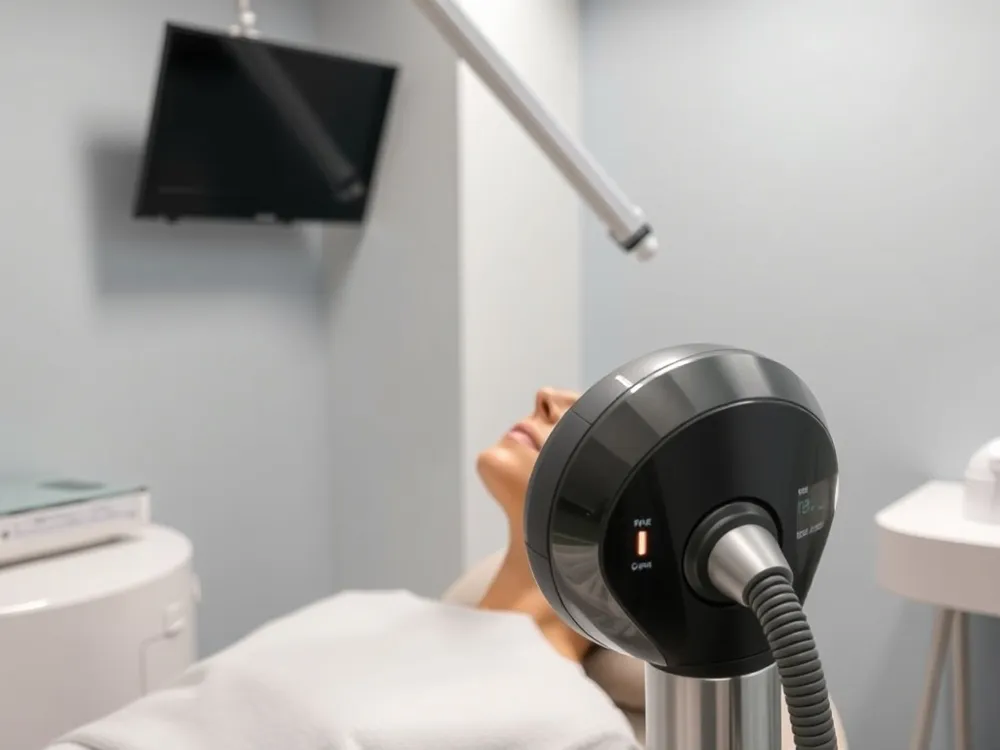
For those seeking a non-injectable solution, fractional resurfacing lasers offer a powerful option. Unlike Botox, which relaxes muscles, these devices, such as Fraxel Restore and Affirm, work by creating controlled micro-damage in the skin's top layer. This process stimulates the body's natural healing response to produce new collagen and elastin, effectively reducing fine lines, wrinkles, and even acne scars while improving overall skin tone and texture.
Clinical studies demonstrate impressive results, showing that laser resurfacing can reduce wrinkle depth by up to 40% and improve skin texture by as much as 64% after a single session. The trade-off is a recovery period of about one week, during which the skin may appear sunburned. This makes it an ideal alternative for patients who want to address multiple signs of aging that Botox cannot, such as sun damage and pigmentation issues, without using any injections.
What do celebrities get instead of Botox?
Instead of Botox, many celebrities turn to non-invasive treatments like fractional laser resurfacing. This approach is favored for its ability to stimulate collagen and rejuvenate skin from within, offering a natural-looking improvement without neurotoxins. By targeting deeper skin layers, these lasers provide a comprehensive anti-aging effect, smoothing wrinkles and correcting discoloration in a way that complements a broader skincare strategy. The result is firmer, more even-toned skin that visibly looks younger.
| Treatment | Mechanism | Common Uses | Downtime |
|---|---|---|---|
| Fractional Resurfacing Laser | Creates micro-injuries to stimulate collagen and elastin production | Fine lines, wrinkles, acne scars, sun damage, uneven texture | About 1 week (sunburned appearance) |
| Botox | Temporarily relaxes facial muscles | Dynamic wrinkles (forehead, crow’s feet, frown lines) | Minimal (no downtime typically) |
| Microneedling | Punctures skin with fine needles to boost collagen | Fine lines, enlarged pores, mild scars | Few days (redness, irritation) |
3. Radiofrequency Microneedling – Tightening and Texturizing in One Step
 Radiofrequency (RF microneedling) is a popular alternative to Botox that combines traditional microneedling with radiofrequency energy. Tiny needles create controlled micro-injuries in the skin, while the RF energy simultaneously delivers heat deep into the dermis. This dual action powerfully stimulates the production of new collagen and elastin, the building blocks of firm, smooth, and youthful skin.
Popular devices for this treatment include Morpheus8, Lutronic Genius, Vivace, and EndyMed. A full course typically requires a series of three sessions spaced about a month apart. The cost per session can vary, generally ranging from $500 to $1,500.
RF microneedling is highly versatile, improving both dynamic wrinkles (visible with expression) and static wrinkles (visible at rest). It also effectively treats acne scars, enlarged pores, and general skin laxity. The procedure involves minimal downtime, with most patients experiencing only temporary redness and peeling for a few days. Results can be long-lasting, often persisting for one to two years, making it a strategic investment in skin rejuvenation.
4. Ultherapy/Sofwave – Ultrasound Lift Without Downtime
What can I do instead of Botox for wrinkles?
For those seeking a lift without needles, Ultherapy and Sofwave offer ultrasound-based solutions. Ultherapy is FDA-cleared for lifting and tightening sagging skin on the brow, eyelids, jawline, and neck. It delivers targeted heat to deeper tissue layers, stimulating collagen and elastin production without incisions or recovery time.
Sofwave uses ultrasound waves to penetrate 1.5 mm below the skin's surface, boosting collagen and elastin with zero downtime. Patients often see initial results within a week, with peak improvement at three months. The effects can last up to two years.
What do celebrities get instead of Botox?
These energy-based treatments are popular for their non-invasive approach to a more youthful contour. Sofwave is ideal for mimicking a Botox brow lift, while Ultherapy effectively addresses jowls and neck laxity. Both provide a natural-looking lift and improved skin texture. A single Sofwave session requires about 45 minutes and costs $1,500 or more, while Ultherapy pricing varies by area. These treatments are suitable for those who prefer a gradual, natural enhancement.
5. Peptide Serums and Topical Neuropeptides – The ‘Botox in a Bottle’ Phenomenon
What can I do instead of Botox for wrinkles? Is there a safer, cheaper alternative?
For patients seeking a needle-free starting point, peptide serums and topical neuropeptides offer a gentle approach to smoothing expression lines. These products are not a medical substitute for Botox, but they represent a popular category often called “Botox in a bottle.” The leading ingredient, Argireline (acetyl hexapeptide-8), works by limiting the release of chemicals that trigger muscle contractions at the skin’s surface. This provides a subtle, temporary softening of fine lines, particularly around the eyes and forehead.
How Effective Are These Topical Alternatives?
Dermatologists emphasize that these serums are significantly milder than injectable neurotoxins. Instead of inhibiting deep muscle movement, they improve skin texture and fine lines through surface-level action. Products such as SkinCeuticals P-Tiox, The Ordinary Argireline Solution 10%, and Revision Skincare Revox Line Relaxer have gained popularity for this reason. They can be used alone as a low-risk entry point or as a complement to injectable treatments to extend results.
A Low-Risk Option for Gradual Results
Because these products are applied topically, they present minimal risk and no downtime. While the smoothing effect is temporary and less dramatic than injections, they provide a safe, affordable alternative for patients who want gradual improvement and wish to avoid needles. Daily sun protection remains essential to maximize the benefits of any anti-aging skincare routine.
6. Exosome Serums – Cellular Signaling for Deeper Repair
Why is Gen Z saying no to Botox?
A significant driver of the “Notox” movement is a preference for proactive, less-invasive skincare. Rather than temporarily paralyzing muscles, many younger individuals are investing in treatments and technologies that improve overall skin health from the inside out. This approach emphasizes collagen-stimulating treatments, medical-grade skincare (like retinoids and daily SPF), and devices such as microneedling and laser rejuvenation as long-term strategies.
What is a natural alternative to Botox injections?
Exosome serums represent a cutting-edge, science-driven alternative. Unlike topical products that merely hydrate, exosomes act as messenger molecules. They are filled with growth factors, proteins, and lipids that signal skin cells to repair, regenerate, and boost collagen production at the cellular level. This process helps improve skin texture and firmness, offering a proactive approach to aging.
How Exosome Serums Work for Deeper Repair
Products like Plated Skin Science INTENSE Serum ($258) have shown tangible results. Users often report noticeable improvements in skin smoothness and suppleness with consistent daily use. This emerging category is particularly powerful when used after professional microneedling or laser procedures, as it can speed healing and maximize collagen remodeling.
| Ingredient Category | Examples | Primary Function | Application Context |
|---|---|---|---|
| Growth Factors & Peptides | Exosome serums (e.g., Plated Skin Science) | Cellular repair & collagen signaling | Daily serum or post-procedure recovery |
| Topical Peptides | Argireline, Matrixyl | Surface muscle relaxation & collagen support | Fine lines & expression wrinkles |
| Retinoids | Retinol, Tretinoin | Cell turnover & deep collagen stimulation | Nightly routine for texture & firmness |
| Collagen-Boosting Actives | Vitamin C, Hyaluronic Acid | Protection, hydration & plumping | Brightening & hydration support |
7. Microcurrent and CACI Treatments – Electrical Muscle Toning
Microcurrent therapy offers a needle-free way to tone facial muscles and tighten skin. This treatment uses gentle electrical stimulation to penetrate deep skin layers, naturally catalyzing collagen and elastin production. The result is a reduction in fine lines, wrinkles, puffiness, and enlarged pores, often providing an immediate lifting effect after a single session.
What can I do instead of Botox for wrinkles?
For a more natural, toning-based approach, consider CACI Microcurrent. While effective, it requires consistent commitment. One must undergo sessions roughly three times per week for six months to see visible changes in wrinkle depth. Costs for these professional sessions range from $100 to $200 per session.
This approach is popular among patients seeking a gentle, non-invasive lift without any downtime or neurotoxins. When performed by a trained esthetician as part of a regular skincare regimen, it can be a valuable maintenance tool for skin firmness and overall complexion health.
8. Chemical Peels and Retinoids – The Gold Standard in Skin Resurfacing
What is the best alternative to Botox for reducing wrinkles? For many dermatologists, the answer lies in a foundational anti-aging duo: chemical peels and prescription retinoids. While no topical can stop muscle movement like an injection, these treatments address skin texture, tone, and pigmentation that Botox cannot reach.
Chemical Peels: Resurfacing from the Outside In
Chemical peels use solutions like glycolic acid, trichloroacetic acid (TCA), or retinol to exfoliate damaged outer layers. This process stimulates collagen production, revealing smoother, brighter skin. Peels range from light (little to no downtime) to deep (requiring up to two weeks of recovery). They visibly reduce fine lines, age spots, and uneven texture, making them a versatile tool for overall rejuvenation.
Retinoids: Boosting Collagen from Within
Prescription retinoids, such as tretinoin, are vitamin A derivatives that accelerate cell turnover and boost collagen production. With consistent nightly use over several months, they can dramatically improve fine lines, wrinkles, and skin firmness. These are considered one of the most powerful non-invasive treatments for long-term skin health.
Why is Gen Z saying no to Botox? Many younger individuals are opting for proactive, less-invasive routines centered on medical-grade retinoids, daily SPF, and collagen-stimulating technologies. Unlike Botox, which targets dynamic wrinkles, chemical peels and retinoids improve overall skin quality—making them a preferred gateway to advanced yet needle-free skincare.
9. PRP (Platelet-Rich Plasma) Therapy – The Vampire Facial Evolution
What do celebrities get instead of Botox? The Vampire Facial approach explores PRP therapy as a natural alternative.
PRP (platelet-rich plasma) therapy is often called a “vampire facial” because it uses your own blood to rejuvenate the skin. The blood is spun in a centrifuge to concentrate growth factors, which are then applied topically during microneedling or injected directly into the skin. This stimulates collagen and elastin, leading to improved skin texture, reduced fine lines, and a visible radiance.
What is a natural alternative to Botox injections? PRP leverages the body’s own healing mechanisms.
As a biologic treatment, PRP is appealing for patients who prefer to avoid synthetic substances or foreign proteins. It uses the body’s natural healing response to boost collagen and cell turnover over time. Achieving optimal results typically requires 3 to 6 sessions, with each treatment costing between $300 and $1,050. Downtime is minimal, with redness and swelling usually resolving overnight. While PRP does not relax muscles like Botox, it provides a natural, needle-based option for overall skin rejuvenation.
10. Face Patches, Acupuncture, and Lymphatic Drainage – The Naturalists’ Toolkit
How do medical-grade silicone face patches work?
Face patches, made from medical-grade silicone, hydrate and plump facial lines. Products like SiO Beauty claim up to a 90% reduction in wrinkles within hours, while Wrinkles Schminkles report up to 50% improvement in a month. These effects are temporary, making them suitable for occasional use rather than a long-term solution.
What is a natural alternative to Botox injections?
Cosmetic acupuncture is a notable natural alternative. It involves inserting 40 to 70 tiny, hair-thin needles into the face to stimulate collagen production, strengthen underlying muscles, and improve blood flow. Studies support its efficacy in reducing wrinkle length and skin laxity. Lymphatic drainage facials, using manual massage or gua sha tools, reduce puffiness, lift, and firm the skin temporarily. Regular use of gua sha or facial massage promotes lymphatic drainage and muscle relaxation, softening fine lines and improving circulation.
How safe are at-home Botox injection alternatives?
At-home injectable Botox alternatives are extremely dangerous and should never be used. In contrast, non-injectable alternatives like silicone patches, massage tools, and topical serums are generally safe when used as directed. They can improve skin texture and fine lines over time, offering a risk-free entry point to anti-aging skincare.
Q&A: Which Alternative Is Right for You?
The best alternative to Botox is not one single treatment. Your choice depends on your wrinkle type, skin concerns, and personal preferences. Injectable neuromodulators like Dysport, Jeuveau, and Xeomin offer similar muscle-relaxing effects to Botox but vary in onset, spread, and purity. For a non-invasive approach, laser resurfacing, radiofrequency (RF) microneedling, or platelet-rich plasma (PRP) can address static wrinkles and improve overall skin texture without neurotoxins. These options are often preferred by patients who want a more natural look or wish to avoid injections entirely.
At-home alternatives such as peptide serums and retinoids provide gradual, low-risk improvement in fine lines and skin texture. However, they cannot match the precision or strength of professional treatments. Safety is paramount: at-home injection kits are extremely dangerous and should never be used. Always consult a board-certified dermatologist to determine the safest, most effective approach for your skin.
Frequently Asked Questions
What is the best alternative to Botox for reducing wrinkles? There is no single
Moving Forward with Personalized Skin Health
From Daxxify’s extended duration to lymphatic drainage’s natural lift, the range of Botox alternatives is broader than ever. This diversity allows patients to choose treatments aligned with their comfort level, budget, and aesthetic goals.
A Personalized Consultation is Key
No single Botox alternative is universally superior. The best approach is a personalized consultation with a board-certified dermatologist. They can evaluate your skin type, wrinkle pattern, and medical history to create a tailored plan.
Choosing Your Path to Smoother Skin
Modern cosmetic dermatology offers safe, effective solutions for smoother, more youthful skin. Whether you opt for a neuromodulator, a laser, a topical peptide, or a combination of treatments, you can achieve desired results without necessarily needing to freeze your expression.